Quick Answer
Professional wallpaper removal costs about $1 to $5 per square foot, or roughly $300 to $800 per room, with drywall repair and skim coating adding $1 to $3 per square foot. The job involves scoring the paper, softening the adhesive with steam or solution, scraping it off, repairing any torn drywall, skim coating, and priming so the surface is perfectly smooth and ready for paint.
Key Takeaways
- Wallpaper removal runs roughly $1-$5 per square foot; a typical room costs $300-$800 before drywall repair.
- Softening the adhesive fully with steam or solution is what protects the drywall from being torn during scraping.
- Drywall papered without a primer bonds to the board's paper face, making careful removal and skim coating essential.
- A Level 5 finish, a full skim coat over the wall, is the gold standard for former wallpaper surfaces.
- Always remove every trace of adhesive and prime correctly, or new paint will bubble, peel, and show seams.
What Is Wallpaper Removal and Drywall Repair?
Wallpaper removal and drywall repair is the combined process of stripping old wall coverings from a room and restoring the wall surface beneath them to a smooth, sound condition so it can be painted or re-papered. The two tasks are almost always paired because removing wallpaper, especially old or stubborn paper, frequently reveals or creates surface damage that must be addressed before any new finish goes on. Treating them as a single project is what separates a flawless result from one plagued by bubbles, seams, and peeling.
On the surface, peeling off old paper sounds like a simple weekend job. In practice it is one of the most underestimated tasks in home improvement. The difficulty depends entirely on what kind of wallpaper you have, how many layers are stacked on the wall, what adhesive was used, and crucially whether the drywall was primed or sealed before the paper was hung. When a previous installer skipped priming, the paste bonds directly to the fragile paper face of the drywall, turning a straightforward strip job into a careful surgical operation.
This guide explains the entire workflow the way a professional approaches it: how to identify your wallpaper, the proven methods for softening and removing it, how to diagnose and repair the drywall damage that emerges, what skim coating and texture matching involve, the industry levels of drywall finish, and how to prime correctly so your new paint lasts. Whether you are weighing a DIY attempt or vetting a contractor, you will understand exactly what quality work looks like.
What a complete project typically includes
- Assessment and testing — identifying the wallpaper type, number of layers, and the condition of the wall underneath.
- Room protection — covering floors and furniture and masking trim, since the process involves water, steam, and scraping.
- Stripping — scoring, soaking or steaming, and scraping the paper and its backing from the wall.
- Adhesive removal — washing away every trace of glue residue that would otherwise ruin the new finish.
- Drywall repair — sealing torn paper, patching gouges and holes, and re-taping any failed seams.
- Skim coating and sanding — leveling the surface to a uniform smoothness, often a full Level 5 finish.
- Priming — sealing the repaired wall to create a consistent, paint-ready base.
Done well, the result is a wall that looks like it was never papered at all — smooth, sealed, and ready to take a beautiful, durable coat of paint. If your next step is a repaint, our companion guide to interior painting covers paint selection, sheens, and color strategy in depth.
Why Removal and Repair Matter Before Painting
The single most important reason to remove wallpaper and repair the wall properly is that paint magnifies, rather than hides, whatever lies beneath it. A fresh coat will telegraph every seam, bubble, ridge, and torn patch on the surface. The work you do before the brush ever touches the wall determines whether the finished room looks professional or amateurish. Prep is not the boring part of the job; it is the job.
Why painting over wallpaper usually fails
It is tempting to skip removal and simply paint over existing wallpaper, and in narrow circumstances it can be made to work. But the risks are significant. Latex paint introduces moisture that can reactivate old adhesive, causing the paper to bubble and lift days or weeks after the job appears finished. Wallpaper seams remain visible as fine lines under the paint, and any textured or embossed pattern shows through permanently. Once you have painted over paper, removing it later becomes far harder because the waterproof paint layer blocks the water and steam that would otherwise dissolve the paste.
The cost of skipping prep
Homeowners who rush past proper removal almost always pay twice. When paint bubbles or seams appear, the only real fix is to strip everything back down, repair the wall, and start over — now with the added difficulty of a paint barrier locked over the old paper. The few hours saved up front turn into days of corrective work. Professionals strip and repair precisely because they warranty their finishes and cannot afford callbacks.
A foundation for every finish
Prepare a clear scope using our quote comparison checklist. Confirm service area, credentials and availability directly with any contractor. Directory listings are being restored.
Do not paint over vinyl wallpaper
Can You Paint Over Wallpaper? When It Is and Is Not OK
One of the most common questions homeowners ask is whether they can simply paint over existing wallpaper and skip the messy stripping altogether. The honest answer is that it is occasionally acceptable and frequently a mistake. Painting over paper is a calculated shortcut, not a best practice, and it only works when a narrow set of conditions all line up. When even one is missing, the result tends to fail within weeks. Knowing exactly where the line falls lets you make the call with your eyes open rather than discovering the problem after the second coat dries.
When painting over wallpaper can be acceptable
- The paper is fully adhered. Every seam, corner, and edge is tight to the wall with no lifting, bubbling, or curling. Press across the entire surface; any loose spot will only get worse under paint.
- It is a single, smooth, flat layer. One layer of thin, non-textured paper is the only good candidate. Stacked layers trap moisture and shift independently.
- The surface has no texture or pattern relief. Embossed, grasscloth, or raised patterns telegraph through paint permanently and cannot be hidden by any number of coats.
- You seal it with an oil- or shellac-based primer first. A solvent-based primer locks down the paper and edges without introducing the water that reactivates paste, unlike a water-based primer.
- The room is dry and low-humidity. Bathrooms, laundry rooms, and basements are poor candidates because ambient moisture works against the adhesive over time.
When you should always remove it instead
Skip the shortcut entirely if the wallpaper is vinyl or foil, has any loose seams, carries texture or a heavy pattern, or shows stacked layers. Vinyl in particular gives paint almost nothing to grip and traps moisture behind its plastic face, so peeling is nearly guaranteed. The same applies whenever you spot staining, a musty smell, or soft spots, all of which point to problems hiding behind the paper that paint would only conceal temporarily. In a kitchen or bath, where humidity swings are constant, removal is effectively mandatory for a durable finish.
The honest trade-off
Prepare a clear scope using our quote comparison checklist. Confirm service area, credentials and availability directly with any contractor. Directory listings are being restored.
Run the tape and water test first
How Much Does Wallpaper Removal and Drywall Repair Cost?
Wallpaper removal is most often priced per square foot of wall surface, and in the United States it typically runs $1 to $5 per square foot, including labor and materials. An average bedroom commonly falls between $300 and $800 to strip. Drywall repair and skim coating add another $1 to $3 per square foot, depending on how much damage the removal exposes. The wide ranges reflect just how variable these projects are from one wall to the next.
| Project | Typical Cost Range | Notes |
|---|---|---|
| Wallpaper removal (per sq ft) | $1 – $5 | Strippable is cheaper; painted-over costs more |
| Single room removal | $300 – $800 | Average bedroom, one layer |
| Large/multi-layer room | $800 – $1,500 | Several layers or unprimed drywall |
| Drywall skim coat (per sq ft) | $1 – $3 | Smoothing and leveling |
| Patch torn drywall (per area) | $75 – $300 | Sealing and feathering gouges |
| Full room: strip + repair + prime | $600 – $1,500 | Paint-ready surface |
| Adhesive removal / wash | $0.50 – $1.50 | Per sq ft, often included |
What drives the price up or down
- Wallpaper type — modern strippable papers come down quickly, while traditional, foil, or painted-over papers take hours longer per wall.
- Number of layers — homes that have been papered repeatedly can hide three or more layers, each adding labor.
- Whether the wall was primed — paper bonded to unprimed drywall tears the surface, requiring extensive repair.
- Extent of drywall damage — gouges, water damage, and torn paper face mean more patching and skim coating.
- Ceiling height and access — stairwells and vaulted rooms require ladders or scaffolding and more time.
- Disposal and cleanup — wet paper is heavy and messy; haul-away may be a separate line item.
- Regional labor rates — costs in major metros run substantially higher than in smaller markets.
Because the wall beneath the paper is often a mystery until work begins, reputable contractors either build a contingency into the estimate or quote the repair phase after the strip is complete. To see what painters and prep specialists charge in your area, browse painters in your city or review typical pricing before you commit.
How contractors structure the bid
Most professionals quote this work in two phases precisely because the repair scope is unknown until the paper is off. A common structure is a firm price for stripping and adhesive washing — say $1.50 to $3 per square foot — plus a separate, condition-based price for drywall repair and skim coating once the wall is exposed. Expect a minimum service charge of roughly $250 to $400 for very small rooms, since mobilization, setup, and cleanup carry fixed costs regardless of square footage. Some crews bill by the hour at $50 to $90 per worker when conditions are too unpredictable to quote flat. Whichever model you are offered, ask for the per-square-foot rate, the contingency assumptions, and a written cap or change-order process so a surprise behind the paper does not become a surprise on your invoice.
Beware the suspiciously low bid
Types of Wallpaper and How Each Comes Off
The right removal method depends almost entirely on what kind of wallpaper you have. Identifying the type before you start saves hours and prevents needless damage. Peel up a corner with a putty knife and observe how it behaves — this simple test reveals which of the major categories you are dealing with and how aggressive your approach needs to be.
Strippable wallpaper
Strippable paper is the easiest to remove and the most common in newer installations. Lift a corner and the entire sheet, face and backing together, peels cleanly off the wall in large pieces while leaving little to no residue. Often no water or chemicals are needed at all. If your paper pulls away dry in long strips, count yourself fortunate; the job will be measured in hours rather than days.
Peelable wallpaper
Peelable paper separates into two layers. The top decorative vinyl or coated layer peels off dry, but a paper backing stays glued to the wall. That backing must then be soaked with a removal solution and scraped away. Many homeowners mistake the easy first peel for a finished job, only to discover the stubborn second layer that requires the real work.
Traditional (non-strippable) wallpaper
Older traditional papers are porous and must be saturated to release. Water or removal solution penetrates the paper, dissolves the paste beneath, and allows the whole thing to be scraped off. Because these papers absorb liquid readily, scoring is often unnecessary, but patience and thorough soaking are essential to avoid leaving stuck-on patches.
Vinyl and foil wallpaper
Vinyl-coated and foil wallpapers are water-resistant, which is exactly what makes them difficult. Their non-porous surface blocks water and steam from reaching the adhesive, so they must be scored first to create thousands of tiny perforations. Only then can the softening liquid get behind the surface and dissolve the paste.
Painted-over wallpaper
The most challenging scenario is wallpaper that a previous owner painted over. The paint forms a waterproof shell that prevents any moisture from reaching the adhesive. Aggressive scoring is mandatory, and even then removal is slow and labor-intensive. This is the category that most often justifies hiring a professional outright.
| Type | Removal Difficulty | Primary Method |
|---|---|---|
| Strippable | Easy | Dry peel, full sheets |
| Peelable | Moderate | Dry peel top, soak and scrape backing |
| Traditional | Moderate | Soak with solution, scrape |
| Vinyl / foil | Hard | Score, then steam or soak, scrape |
| Painted-over | Very hard | Aggressive scoring, steam, scrape |
How to identify which type you have
A quick diagnostic sequence narrows it down in minutes. Start by lifting a corner with a putty knife: if the whole sheet peels dry, it is strippable; if only a top film comes away leaving paper behind, it is peelable. Next, splash a little water on a hidden spot — if it soaks in and darkens, the paper is porous and traditional; if the water beads and runs off, you have a vinyl, foil, or painted-over surface that must be scored. Finally, drag a fingernail across the surface to feel for the slick, plastic hand of vinyl versus the matte, fibrous feel of paper. Knowing the type before you commit to a method prevents the two most common errors: soaking a non-porous paper that will never absorb, and aggressively scoring a delicate porous paper that did not need it.
Always test an inconspicuous corner first
The Professional Wallpaper Removal Process
A professional removal follows a disciplined, repeatable sequence designed to protect the room and the drywall while getting every scrap of paper and adhesive off the wall. Knowing these steps helps you judge whether a crew is working carefully or rushing in ways that will cost you later.
- Prepare and protect the room. Furniture is moved out or to the center and covered, floors get drop cloths, and trim and outlets are masked. Because water and electricity do not mix, power to outlets and switches on the wall is shut off at the breaker.
- Test and identify the wallpaper. A corner is peeled to determine the paper type and to confirm whether the drywall underneath was primed before papering, which dictates how gently the crew must work.
- Score the surface. Non-porous, vinyl, foil, or painted-over papers are perforated with a scoring tool so that water or steam can penetrate to the adhesive layer beneath.
- Soften the adhesive. Hot water mixed with a wallpaper-removal solution is applied, or a steamer is used to dissolve the paste. The wall is given time to soak so the glue releases its grip rather than fighting the scraper.
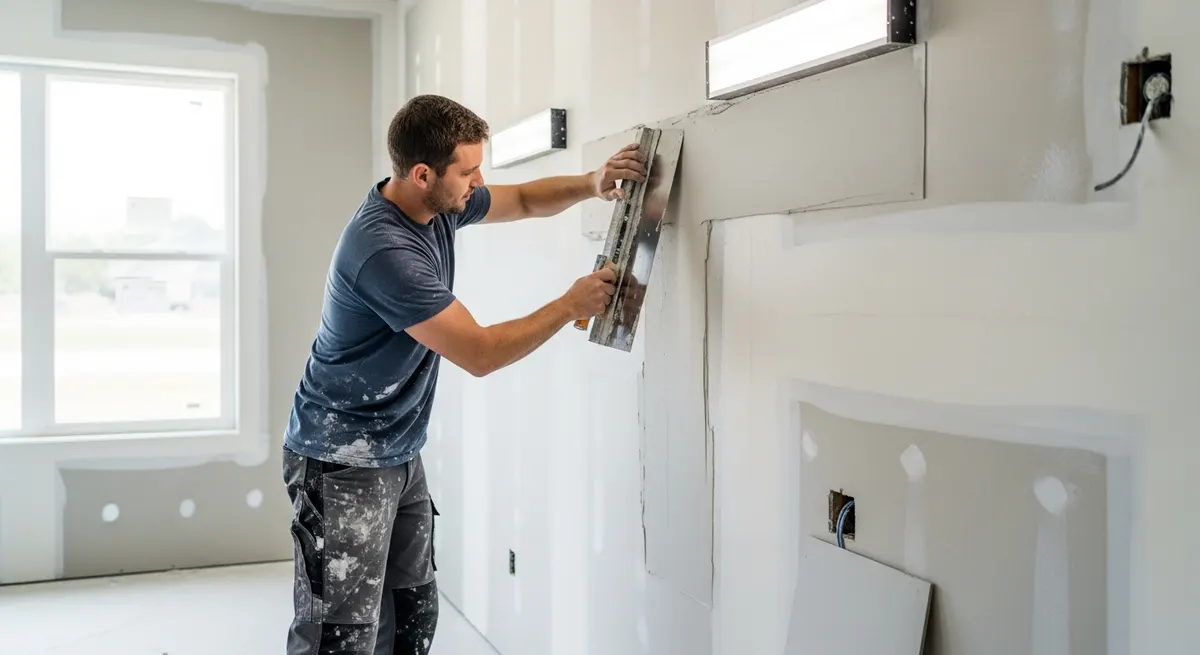
- Strip and scrape. Softened paper is peeled and the remaining backing and residue are removed with a wide putty knife held at a low angle to avoid gouging the drywall face.
- Wash off adhesive residue. The wall is sponged with clean warm water to lift away every trace of leftover glue, then allowed to dry completely. This step is non-negotiable for a sound paint job.
- Inspect and repair. The crew evaluates the bare wall for torn paper, gouges, and old patches, then carries out the drywall repairs described in the next section.
- Skim, sand, and prime. The surface is leveled with joint compound, sanded smooth, and sealed with primer to create a uniform, paint-ready base.
Steam versus chemical solution
The two leading softening methods are steamers and liquid removal solutions. A steamer uses heat and moisture to melt the adhesive quickly and is especially effective on thick or multi-layer paper, but it demands care because excessive steam can saturate and soften the drywall itself. Liquid solutions, often warm water mixed with a commercial wallpaper remover, are gentler and easier to control but require more dwell time. Many professionals combine both, steaming stubborn sections and using solution elsewhere.
Tools a professional crew brings
- Scoring tool — a handheld perforating wheel that opens thousands of tiny holes in non-porous paper without cutting the drywall.
- Wallpaper steamer — a plate-and-hose unit that pushes heat and moisture through the paper to melt stubborn paste.
- Pump or garden sprayer — applies removal solution evenly and far faster than a hand spray bottle over a full room.
- Wide and narrow putty knives — 3- to 6-inch blades with rounded corners scrape backing without gouging.
- Drop cloths and plastic sheeting — heavy canvas on floors and plastic on baseboards catch the wet, sticky debris.
- Shop vacuum and sponges — for continuous cleanup and the all-important adhesive wash.
Having the right tool for each step is a large part of why a crew can clear a room in a day that might take a homeowner an entire weekend. A steamer in particular makes the difference on multi-layer or painted-over paper that no amount of hand-spraying will soften.
Scoring depth matters
Drywall Damage Types and How They Are Repaired
Once the paper is off, the true condition of the wall is revealed. Some surfaces emerge nearly perfect; many show damage that ranges from cosmetic to structural. A skilled repair technician diagnoses each type of damage and treats it appropriately before any skim coating begins. Understanding the categories helps you evaluate the scope of repair your walls actually need.
Torn drywall paper face
The most common damage after wallpaper removal is a torn or fuzzy drywall face, which happens when paper bonded to unprimed board pulls up the top paper layer of the drywall as it comes off. The exposed gypsum core is porous and fragile. The fix is to seal the torn area with an oil- or shellac-based primer to lock down the fuzz, then skim it with joint compound and sand it smooth so it blends invisibly into the wall.
Nail holes, dents, and small gouges
Minor surface defects from picture hangers, furniture, and the removal process itself are filled with lightweight spackle or joint compound, then sanded flush. These are quick repairs, but skipping them leaves dimples that paint will highlight.
Cracks
Hairline and settling cracks are widened slightly, filled, and often reinforced with mesh or paper tape before being feathered out with compound. Reinforcement prevents the crack from telegraphing back through the new finish as the house continues to move.
Large holes and failed seams
Bigger holes require a drywall patch — a cut-in piece of new board or a patch kit — that is taped, mudded in multiple coats, and sanded. Wallpaper seams that pulled the underlying drywall tape loose are re-taped and re-mudded so the joint is sound.
Water damage and mold
Wallpaper can conceal moisture problems. Brown staining, soft or crumbling drywall, and a musty odor all signal water intrusion that may have allowed mold to grow behind the paper. Compromised drywall must be cut out and replaced, and the moisture source corrected, before refinishing. The U.S. Centers for Disease Control and Prevention provides guidance on identifying and cleaning up household mold at cdc.gov/mold.
Stop if you find lead or mold
Skim Coating and Texture Matching
Skim coating is the process of applying one or more thin layers of joint compound across a wall to create a uniformly smooth surface. After wallpaper removal it is frequently the difference between a wall that looks newly built and one that betrays its papered past. Even when the drywall came off relatively cleanly, residual adhesive sheen, minor texture, and patched areas leave the surface inconsistent, and a skim coat unifies everything.
How skim coating works
The technician spreads a thin layer of thinned joint compound over the wall with a wide knife or trowel, then scrapes off the excess, leaving only enough to fill low spots and bury imperfections. After it dries, the surface is sanded and, if needed, a second thin coat is applied. The aim is a dead-flat plane with no visible patches, ridges, or telegraphed seams. Two thin coats almost always look better than one thick one, which is prone to cracking and sagging.
When a full skim is necessary
A full-wall skim coat is warranted when the drywall face was widely torn, when adhesive residue cannot be fully washed away, or when the homeowner plans a glossy paint or a critical-lighting situation that exposes every flaw. Walls that came off clean and smooth may only need spot skimming over patched areas. A good contractor evaluates and recommends the appropriate level rather than defaulting to the cheapest option.
Texture matching
If the surrounding walls or ceiling have a texture — such as orange peel, knockdown, or a hand-troweled pattern — any patched or skimmed area must be re-textured to match. Professionals spray or hand-apply texture and feather it into the existing finish so repairs disappear. Matching texture is as much art as science and is one of the clearest markers of an experienced finisher.
Sand smart, not hard
Texture Types and How They Are Matched
Wallpaper is most often found on flat walls, but the ceiling and adjacent surfaces frequently carry a sprayed or troweled texture, and any patch or skim coat you make has to disappear into that existing pattern. Matching texture is one of the trickiest parts of a former wallpaper job because the human eye is unforgiving about repeated patterns: a slightly heavier orange peel patch or a knockdown that was flattened a beat too early reads instantly as a repair. Understanding the common textures helps you specify the finish you want and judge whether a contractor can actually reproduce it.
| Texture | How It Is Applied | Match Difficulty |
|---|---|---|
| Smooth / Level 5 | Skim coat, sanded flat | Easy on flat walls |
| Orange peel | Sprayed fine spatter, left as-is | Moderate, spray pattern must match |
| Knockdown | Sprayed heavier, then troweled flat | Hard, timing-sensitive |
| Skip trowel | Hand-troweled thin random strokes | Hard, artisan hand skill |
| Popcorn (ceilings) | Sprayed aggregate | Hard; may contain asbestos pre-1980s |
| Slap brush / stomp | Stippled with a brush | Moderate to hard |
Orange peel
Orange peel is the most common sprayed wall texture, named for its subtle bumpy resemblance to citrus skin. It is created by spraying thinned joint compound through a hopper gun at a controlled air pressure and nozzle setting, then leaving it to dry without troweling. Matching it depends on dialing in the same droplet size and density as the surrounding wall, which usually takes test sprays on cardboard before touching the repair.
Knockdown
Knockdown starts like a heavier orange peel but is then lightly flattened with a wide knife or trowel a few minutes after spraying, creating a mottled, partially flattened pattern. Timing is everything: knock it down too soon and it smears, too late and it stays peaked. Reproducing an existing knockdown on a patch is among the harder skills a finisher performs.
Skip trowel and hand textures
Skip trowel is applied entirely by hand, dragging a curved trowel across the wall to leave thin, intermittent strokes of compound. Slap-brush and stomp textures are stippled on with a loaded brush. Because these are artisan finishes, matching them on a repair is as much craft as technique, and the best results come from a finisher who can mimic the original tradesperson's hand. When a texture cannot be matched invisibly, many homeowners opt instead to skim the whole wall flat to a Level 5 and start fresh, which is often cleaner than chasing an imperfect match.
Photograph the existing texture up close
The Six Levels of Drywall Finish
The drywall and gypsum industry defines six standard levels of finish, numbered Level 0 through Level 5, that describe how much joint and surface treatment a wall has received. Knowing these levels lets you specify exactly the quality you want and hold a contractor to it. After wallpaper removal, most quality jobs target a Level 4 or Level 5 finish.
| Level | What It Includes | Typical Use |
|---|---|---|
| Level 0 | No finishing of any kind | Temporary or undecided construction |
| Level 1 | Tape embedded in joint compound only | Concealed areas, attics, plenums |
| Level 2 | One coat over tape and fasteners | Garages, warehouses, behind tile |
| Level 3 | Two coats; medium-to-heavy texture | Walls getting heavy texture |
| Level 4 | Three coats; smooth joints | Flat and eggshell paint, light texture |
| Level 5 | Skim coat over entire surface | Gloss paint, critical light, ex-wallpaper |
Why Level 5 suits former wallpaper walls
A Level 5 finish requires a thin skim coat applied over the entire wall, not just the joints and fasteners, producing the most uniform surface possible. This is the recommended standard for walls that previously held wallpaper because it erases the subtle inconsistencies left by adhesive, torn paper, and patching. It is also the right call for walls that will receive glossy or semi-gloss paint, which reflects light and exposes any imperfection, and for rooms lit by large windows or wall sconces that cast raking light across the surface.
Matching the level to the finish
Higher finish levels cost more because they require more material and labor, so it pays to match the level to your paint. A flat or matte paint in a low-light room may look perfect over a careful Level 4, while a high-sheen paint in a bright room genuinely needs Level 5. Be wary of any contractor who promises a flawless glossy finish over minimal prep; the level of finish, not the paint, determines how smooth the wall ultimately looks.
Lead and Asbestos Safety in Older Homes
Wallpaper removal in an older home is not just a cosmetic project; it can disturb hazardous materials that were standard for decades. Two concerns matter most: lead-based paint, common before 1978, and asbestos, which appeared in some textured coatings, joint compounds, and adhesives into the 1980s. Stripping paper, scoring, sanding, and scraping all generate dust and chips, and that is precisely how these materials become airborne and dangerous. Knowing the age of your home and treating these risks seriously protects your household before any wall comes down.
Lead-based paint
The United States banned lead in residential paint in 1978, so any home built before then may have lead paint on walls, trim, or beneath wallpaper. Disturbed lead creates fine dust that is especially harmful to children and pregnant women. Federal law requires that contractors performing renovation, repair, or painting in pre-1978 housing be certified under the EPA's Renovation, Repair and Painting (RRP) rule and follow lead-safe work practices. You can read the requirements at epa.gov.
Asbestos in textures and compounds
Asbestos was added to some popcorn ceiling textures, drywall joint compounds, and certain wallpaper adhesives and backings well into the early 1980s. It poses no risk while intact and undisturbed, but scraping, sanding, or demolition can release microscopic fibers that cause serious lung disease. Never dry-scrape or sand a suspect textured ceiling or compound in a pre-1985 home without testing it first.
How professionals handle the risk
- Test before disturbing. Lead test kits and certified lab analysis of paint chips or texture samples confirm what you are dealing with for a small cost, typically $25 to $100 per sample.
- Contain the work area. Plastic sheeting, sealed doorways, and shut-off HVAC keep dust from spreading through the home.
- Control dust with moisture. Keeping surfaces damp during removal suppresses airborne particles rather than sending them into the air.
- Use proper protection. Certified crews wear fitted respirators, not paper dust masks, and use HEPA vacuums and filtered cleanup.
- Dispose correctly. Lead and asbestos waste must be bagged and disposed of according to local hazardous-waste rules, not sent out with household trash.
Prepare a clear scope using our quote comparison checklist. Confirm service area, credentials and availability directly with any contractor. Directory listings are being restored.
When in doubt, test and stop
Priming After Wallpaper Removal
Priming is the bridge between repair and paint, and after wallpaper removal it is more important than on a typical wall. A correctly chosen primer seals porous repairs, locks down any torn drywall paper, blocks residual adhesive and stains from bleeding through, and creates a uniform surface so the finish coats absorb evenly. Skipping or shortcutting this step is the leading cause of paint failures on former wallpaper walls.
Choosing the right primer
The best primer depends on the wall's condition. Bare or torn drywall face benefits from an oil- or shellac-based primer that seals the fuzzy paper and prevents it from raising again when latex paint is applied. Walls with possible adhesive residue or stains call for a stain-blocking primer. For clean, fully skim-coated surfaces, a quality drywall primer or primer-sealer evens out porosity so the topcoat looks consistent. Matching the primer to the surface is a decision an experienced painter makes wall by wall.
Why latex paint alone is not enough
Some homeowners assume a paint-and-primer-in-one product can replace a dedicated primer after wallpaper removal. It cannot. Those products are formulated for repainting sound, previously painted walls, not for sealing torn drywall or blocking adhesive residue. On a freshly stripped and repaired wall, a separate, purpose-chosen primer is essential insurance against bubbling, flashing, and uneven sheen.
Because primer and paint affect indoor air quality, many homeowners choose low-VOC products for occupied rooms. The EPA offers practical information on volatile organic compounds and indoor air quality at epa.gov/indoor-air-quality-iaq. Once the wall is primed and dry, it is ready for the two finish coats covered in our interior painting guide.
Let repairs dry fully before priming
DIY vs. Hiring a Professional
Wallpaper removal sits squarely in the category of jobs that look approachable but reward experience. Whether you should tackle it yourself depends honestly on the wallpaper type, the number of layers, the condition of the drywall, and your tolerance for slow, messy work. A clear-eyed assessment up front saves a great deal of regret.
When DIY makes sense
Doing it yourself is reasonable when you have modern strippable paper that peels off in full sheets, a single room, drywall that was clearly primed before papering, and time to work patiently. With strippable paper, a putty knife, a spray bottle of removal solution, and a sponge, a motivated homeowner can clear a room in a weekend. The cost savings are real when the conditions are favorable.
When to call a professional
The calculus shifts quickly toward hiring out when you find painted-over wallpaper, multiple stacked layers, vinyl or foil paper, unprimed drywall that tears as the paper lifts, or any sign of water damage or mold. Skim coating and texture matching to an invisible finish also demand practiced hands. A professional brings steamers, the right primers, drywall-repair skill, and the speed that comes from doing the work daily — and stands behind the result.
| Factor | DIY | Professional |
|---|---|---|
| Best for | Strippable paper, one room | Painted-over, multi-layer, damaged walls |
| Tools | Scraper, solution, sponge | Steamers, sanders, pro primers |
| Drywall repair skill | Limited | Skim coating and texture matching |
| Time for a room | A full weekend or more | One to two days |
| Risk | Torn drywall, paint failure | Warrantied, smooth result |
| Cost | Materials only | Labor included; fewer redo costs |
Know when to stop
How to Hire a Wallpaper Removal and Drywall Pro
Hiring the right contractor is the surest path to smooth, paint-ready walls. Because so much of this work is hidden prep that is easy to shortcut, your protection comes from vetting carefully and getting the scope in writing. Use the following checklist to separate true craftspeople from crews that will rush the job.
Verify licensing and insurance
Confirm the contractor carries liability insurance and, where required, a license, along with workers' compensation coverage for their crew. This protects you if a worker is injured or your property is damaged. Never hire on a handshake for work that involves water, electricity near outlets, and dust.
Review portfolios and references
Ask to see before-and-after photos of former wallpaper walls and request references from recent jobs. The best evidence of skill is a wall that shows no trace of the paper that once covered it. Verified reviews from past customers reveal how a contractor handles surprises like hidden damage.
Get a detailed written estimate
A professional estimate spells out the wallpaper removal method, adhesive washing, the scope of drywall repair, the target finish level, the primer to be used, and how unforeseen damage will be handled and priced. Vague one-line quotes invite disputes. Insist on specifics so you can compare bids fairly.
Ask the right questions
- What is your process if the drywall was not primed before papering?
- What finish level will the walls be brought to before priming?
- How do you handle adhesive residue removal?
- How will you price additional repairs if hidden damage is found?
- Do you match existing wall and ceiling texture on repairs?
- Is cleanup and disposal of the old wallpaper included?
Prepare a clear scope using our quote comparison checklist. Confirm service area, credentials and availability directly with any contractor. Directory listings are being restored.
Common Mistakes to Avoid
Most failed wallpaper-removal-and-paint projects trace back to a short list of avoidable errors. Whether you do the work yourself or hire it out, watching for these mistakes protects your investment and your walls.
Skipping the adhesive wash
The most damaging mistake is leaving old glue on the wall. Residual adhesive reactivates under wet paint or primer, causing bubbling and peeling that can appear weeks later. Every square inch must be washed clean and allowed to dry before anything new is applied.
Scraping too aggressively
Impatient scraping on unprimed drywall tears the paper face and gouges the gypsum, multiplying the repair work. The solution is to soften the adhesive fully so the paper releases with gentle pressure rather than force.
Over-wetting the wall
Too much water or excessive steam saturates the drywall itself, softening the gypsum core and the seam tape. Apply enough moisture to release the paper, but work in sections and avoid soaking the board.
Painting over a poorly prepped wall
Rushing to paint before repairs are sanded smooth, dry, and primed guarantees a disappointing finish. Seams telegraph, patches flash, and texture mismatches stand out. Resist the urge to skip ahead to the fun part.
Using the wrong primer
Applying a basic latex primer over torn drywall paper or adhesive residue invites failure. Match the primer to the surface — oil or shellac to seal torn paper, stain-blocker over residue — for a sound, uniform base.
Ignoring lead and mold risks
Disturbing pre-1978 painted surfaces without lead-safe practices, or painting over hidden mold, creates health hazards and recurring problems. When in doubt, test and consult the EPA and CDC resources linked throughout this guide before proceeding.
Maintenance and Aftercare
Once your walls are stripped, repaired, primed, and painted, a little ongoing care keeps them looking flawless for years and makes the next refresh far easier. The good news is that a properly prepared and painted wall is low-maintenance by nature.
Let the paint cure before cleaning
Although latex paint feels dry within hours, it continues to cure and harden for up to 30 days. Avoid scrubbing or hanging heavy items on freshly painted walls during this window. Pressing objects against partially cured paint can leave marks or pull the finish.
Clean gently
Once cured, walls can be wiped with a soft cloth or sponge and mild, non-abrasive cleaner. Higher-sheen finishes such as satin and semi-gloss tolerate cleaning best, which is why they are favored in kitchens, baths, and hallways. Avoid harsh chemicals and abrasive pads that dull the finish.
Address small damage promptly
Touch up nicks, dents, and scuffs before they spread. Keep a small labeled container of leftover paint for spot repairs, and address any new cracks or popped fasteners with a quick patch and touch-up so they do not grow.
Control moisture
Because many wallpaper-era problems start with moisture, keep bathrooms and basements ventilated and fix leaks quickly. A dry wall is a stable wall, and stable walls keep their finish indefinitely. When you are eventually ready to repaint or change colors, your smooth, sealed surface will accept fresh paint beautifully — a far cry from the papered wall you started with.
A simple long-term care checklist
- Wait 14 to 30 days before washing or hanging heavy art so the paint fully cures.
- Dust walls twice a year with a microfiber cloth to keep grime from building into the finish.
- Spot-clean within minutes of a spill or mark using a damp sponge and mild soap rather than abrasive cleaners.
- Keep indoor humidity between 30 and 50 percent with ventilation or a dehumidifier to protect the wall and finish.
- Touch up annually using your saved leftover paint, feathering small repairs so they blend.
- Inspect for new cracks or popped fasteners each season and patch them before they widen.
Save your specs for next time
Frequently Asked Questions
Related Painting Guides
Epoxy Flooring
Durable, beautiful epoxy floor coatings for garages and shops — systems, cost, and longevity.
Pressure Washing
Restore siding, decks, and driveways — when to wash, soft-wash vs. pressure, and what it costs.
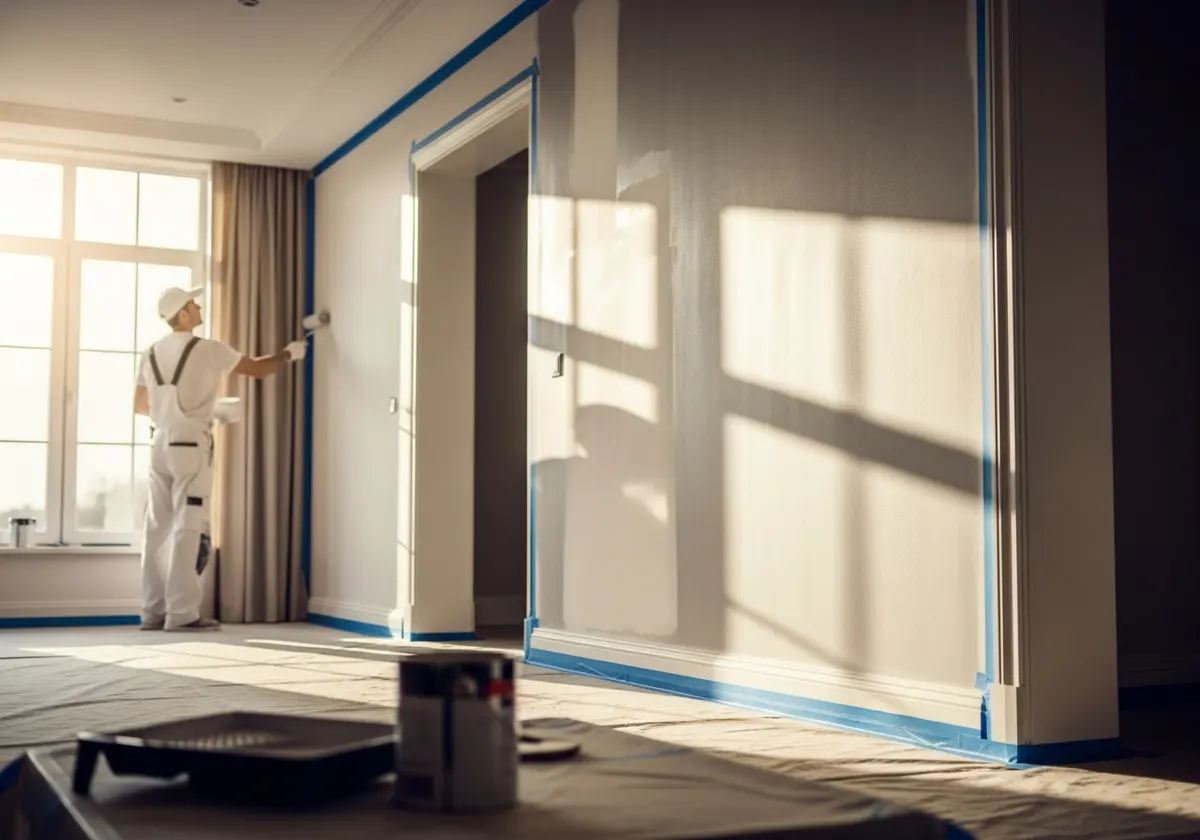
Interior Painting
Walls, ceilings, trim, and accent work — costs, finishes, and how pros get a flawless result.
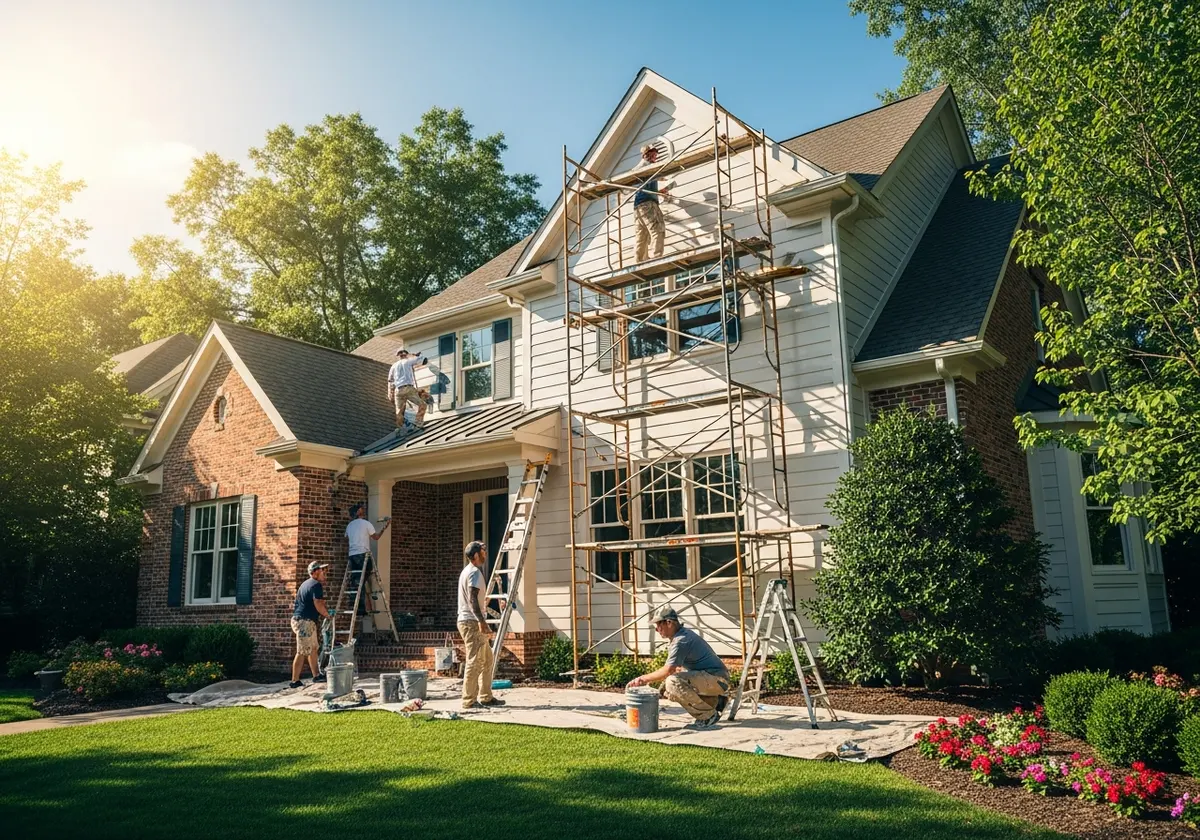
Exterior Painting
Protect and transform your home's exterior — prep, products, timing, and curb appeal.
Prepare your project brief
Build a clear scope to discuss with a contractor. Directory listings are being restored; this does not confirm local availability.