
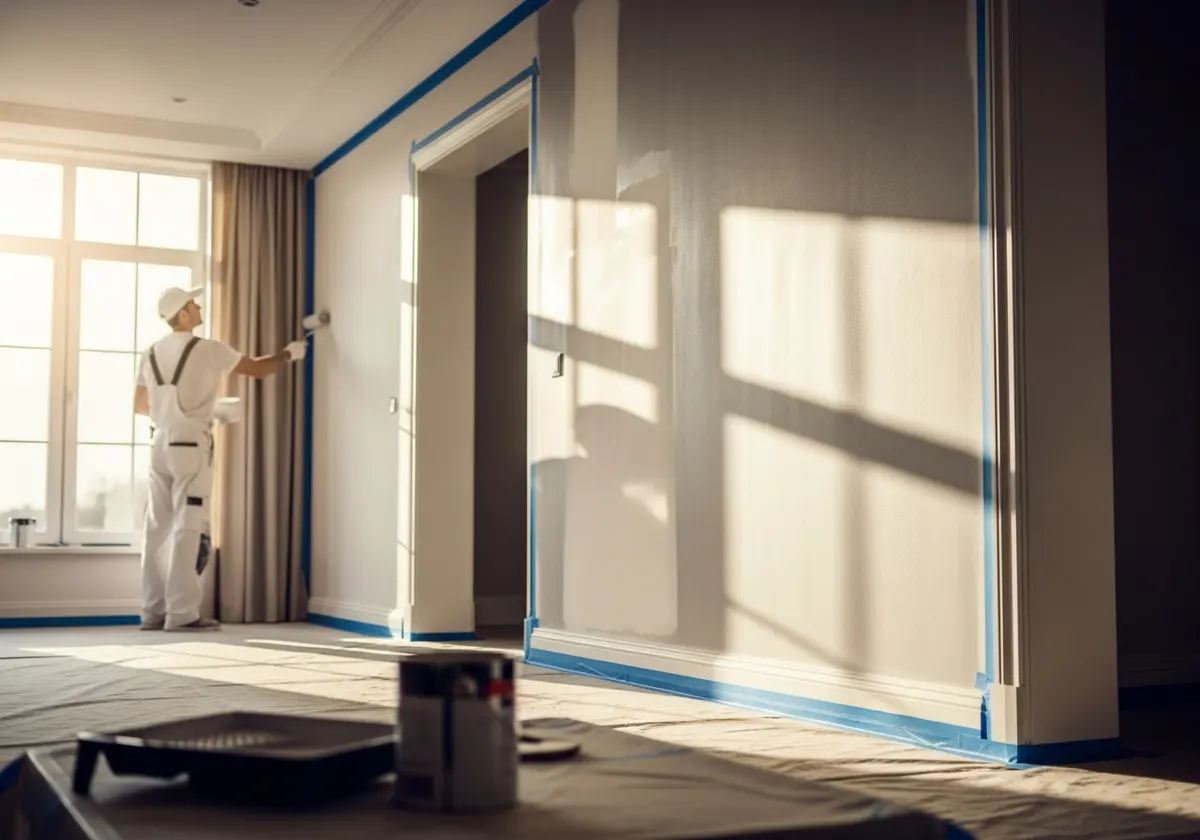
Quick Answer
Interior painting costs roughly $2 to $6 per square foot of floor area — about $400 to $1,000 for a single bedroom and $4,000 to $12,000 for a full 2,000-square-foot home, including labor and materials. Most walls need two coats over properly prepped, primed surfaces, and a quality finish lasts 7 to 10 years. Prep accounts for roughly 80 percent of a professional-grade result.
Key Takeaways
- Interior painting costs roughly $2–$6 per square foot of floor area; a full 2,000 sq ft home typically runs $4,000–$12,000.
- Most walls need two coats over a properly prepared, primed surface; prep is 80% of a professional-quality result.
- Eggshell and satin are the most versatile wall finishes; semi-gloss is best for trim, kitchens, and bathrooms.
- Low-VOC and zero-VOC paints protect indoor air quality and are worth it in occupied homes.
- Hiring a licensed, insured painter with verified reviews protects you from poor prep, drips, and warranty disputes.
What Is Interior Painting?
Interior painting is the process of preparing and applying paint to the inside surfaces of a home or building — walls, ceilings, trim, baseboards, doors, window casings, and sometimes cabinets and built-ins. It is the single most cost-effective home improvement available: for a fraction of the price of a renovation, a fresh interior paint job transforms how a space looks, feels, and even smells, while protecting drywall and woodwork from everyday wear.
Although painting a wall sounds simple, a durable, professional-grade interior finish is the product of dozens of small decisions and disciplined preparation. The difference between a job that still looks crisp after ten years and one that peels, streaks, or shows roller marks within months comes down to surface preparation, the right products, correct application technique, and proper environmental conditions.
Prepare a clear scope using our quote comparison checklist. Confirm service area, credentials and availability directly with any contractor. Directory listings are being restored.
What interior painting typically includes
- Walls and ceilings — the largest surfaces and the foundation of any room's look.
- Trim, baseboards, and crown molding — usually painted in a more durable semi-gloss for contrast and washability.
- Doors and window casings — high-touch surfaces that benefit from harder enamel finishes.
- Accent walls and feature surfaces — a single bold color or technique to anchor a room.
- Cabinets and built-ins — a specialized sub-trade that can refresh a kitchen for a fraction of replacement cost. See our dedicated cabinet refinishing guide for details.
How interior differs from exterior work
Interior painting happens in a climate-controlled environment, so it is far less dependent on weather than exterior painting, where temperature, humidity, and sunlight dictate the schedule. Indoor work instead emphasizes dust control, furniture protection, odor and air quality, and crisp lines where walls meet trim and ceilings. The paints are formulated differently too: interior products prioritize washability, scrubbability, and low odor, while exterior coatings prioritize UV, moisture, and mildew resistance.
Why a fresh coat does more than you think
Beyond color, a new interior finish quietly resets a room. It hides years of accumulated scuffs, fingerprints, and faded patches, evens out the sheen so light reflects uniformly, and re-seals the surface against everyday grime. Because the walls and ceiling are the largest visual surfaces in any room, refreshing them changes the perceived condition of everything else — flooring, furniture, and fixtures all read as cleaner and newer against crisp, freshly painted walls. That outsized perceptual impact is exactly why interior painting remains the highest-leverage update a homeowner can make on a modest budget.
It is worth understanding the difference between a repaint and a true color change as well. Repainting the same color on sound walls is the fastest, least expensive scenario and can sometimes be done in a single quality coat. Changing colors — especially going lighter over a dark wall, or covering a bold accent — almost always requires a primer or tinted base plus two finish coats for clean, opaque coverage. Knowing which scenario you are in helps you read an estimate accurately and understand why two rooms of the same size can carry very different prices. The same logic applies to ceilings and trim, which are often quoted separately because they add cutting-in time and a second product to the job.
The Benefits and Return on Investment
Few projects deliver as much visible impact per dollar as interior painting. Real estate professionals consistently rank a fresh, neutral interior repaint among the highest-return pre-sale improvements, often returning more than 100% of its cost at resale by helping a home show better and sell faster. Beyond resale, the day-to-day benefits are substantial.
Aesthetic transformation
Color shapes mood and perception of space. Light, cool tones make small rooms feel larger and airier; warm, saturated colors make large rooms feel intimate. A coordinated palette across a home creates flow and a sense of intentional design that buyers and guests notice immediately. A single weekend's worth of professional work can make a dated room feel current without moving a single wall or fixture.
Surface protection and longevity
Paint is a protective coating, not just decoration. A quality finish seals drywall and plaster against moisture, resists scuffs and stains, and makes walls washable. In kitchens and bathrooms, the right paint guards against mildew; on trim and doors, durable enamels withstand repeated cleaning and contact. Over years, this protection prevents the small surface failures — chips, water marks, and stains — that eventually require costly drywall repair instead of a simple repaint.
Healthier indoor air
Modern low-VOC and zero-VOC paints dramatically reduce the fumes associated with older formulations. Repainting with these products — and using paints with mildew-resistant additives in damp areas — can measurably improve indoor air quality, an increasingly important factor for families. The U.S. Environmental Protection Agency notes that indoor air can carry higher pollutant concentrations than outdoor air, which is why product choice and ventilation both matter.
Resale value and faster sales
When you list a home, buyers form an impression within seconds. Scuffed, dated, or boldly personalized walls read as "work to do" and invite lowball offers. A clean, neutral repaint signals a well-maintained home, photographs beautifully for online listings, and helps buyers picture their own belongings in the space. Because interior paint is relatively inexpensive compared to its perceived impact, it routinely tops the list of high-ROI pre-sale updates.
Lower long-term ownership costs
A timely repaint is also a form of preventive maintenance that quietly saves money. When walls are sealed and protected, everyday moisture, grease, and abrasion stay on the surface instead of soaking into drywall and trim. Catching and re-coating high-wear areas every seven to ten years is far cheaper than the alternative — replacing water-stained drywall, refinishing scuffed woodwork, or remediating mildew that took hold on an unprotected surface. Think of paint as a sacrificial layer: it absorbs the wear so the substrate underneath does not, and refreshing that layer on schedule keeps the more expensive structure behind it intact. For homeowners planning to stay put, that protection compounds year after year into meaningful avoided-repair savings.
Resale tip
How Much Does Interior Painting Cost?
Interior painting is most commonly priced one of three ways: per square foot of floor area, per square foot of wall surface, or per room. In the United States, expect roughly $2 to $6 per square foot of floor area or $1 to $3 per square foot of wall surface, including labor and standard materials. The wide range reflects how many variables affect the final number. For a deeper breakdown of how contractors build their quotes, see our painting pricing guide.
| Project | Typical Cost Range | Notes |
|---|---|---|
| Single bedroom (12x12) | $400 – $1,000 | Walls only, two coats |
| Living room (large) | $900 – $2,500 | Higher ceilings add cost |
| Kitchen (walls + trim) | $700 – $1,800 | Excludes cabinets |
| Bathroom | $300 – $800 | Moisture-rated paint |
| Interior doors (each) | $80 – $200 | Both sides, enamel |
| Whole home (2,000 sq ft) | $4,000 – $12,000 | Walls, ceilings, trim |
| Cabinet refinishing | $2,000 – $7,000 | Specialized prep & spray |
What drives the price up or down
- Ceiling height — vaulted and two-story spaces require scaffolding or extension equipment and more labor.
- Surface condition — cracks, holes, water stains, and wallpaper removal add prep hours.
- Number of colors — multiple colors mean more cutting in, masking, and setup time.
- Trim and detail — extensive crown molding, wainscoting, and built-ins are labor-intensive.
- Paint grade — premium paints cost more per gallon but cover better and last longer, often saving money over time.
- Regional labor rates — costs in major metros can run 50–100% higher than in smaller markets. Compare painters in your city to gauge local rates.
Labor versus materials
On a typical interior job, labor accounts for roughly 70 to 85 percent of the total cost, with paint and materials making up the rest. This is why a "cheaper" paint rarely makes a project meaningfully less expensive: the skilled hours of prep, cutting in, and applying two even coats dominate the bill. It is also why investing in premium paint is usually worthwhile — the incremental material cost is small relative to the labor already being paid, and better paint covers in fewer coats and lasts years longer.
How to get an accurate quote
The most reliable estimates come from an in-person or detailed virtual walkthrough, not a phone guess. A good contractor measures rooms, counts doors and windows, notes repairs, confirms colors and sheens, and writes all of it into the quote. Get at least two or three written estimates so you can compare apples to apples, and be wary of any bid that is far below the rest.
Beware the lowest bid
Estimating Paint Quantity and Coverage
Knowing how much paint a project needs prevents both costly overbuying and the worse problem of running short mid-wall, where a fresh can from a different batch can flash slightly different in color or sheen. The math is simple once you understand a single benchmark: one gallon of quality interior paint covers roughly 350 to 400 square feet of smooth wall in a single coat. Heavily textured, porous, or previously unpainted drywall drinks more paint and can drop real-world coverage to 250 to 300 square feet per gallon.
How to calculate wall area
- Measure perimeter. Add the lengths of all walls in the room — for a 12-by-12 room that is 48 linear feet.
- Multiply by wall height. At a standard 8-foot ceiling, 48 feet times 8 equals 384 square feet of gross wall area.
- Subtract openings. Deduct about 20 square feet per standard door and 15 square feet per average window.
- Divide by coverage. Take the net area, divide by 375, and multiply by the number of coats to get gallons needed.
For that 12-by-12 room with one door and one window, net wall area is roughly 349 square feet. Two coats means about 698 square feet of coverage, or just under two gallons. Most painters round up and keep the remainder for touch-ups. Always "box" multiple cans of the same color — pour them together into one larger container and stir — so any minor batch variation is blended out before the first roller stroke.
| Room / Project | Net Wall Area | Gallons (2 coats) |
|---|---|---|
| Bathroom / powder room | ~150 sq ft | 1 gallon |
| 12x12 bedroom | ~350 sq ft | 2 gallons |
| Large living room | ~600 sq ft | 3–4 gallons |
| Average ceiling (12x12) | ~144 sq ft | 1 gallon |
| Whole home (2,000 sq ft) | ~6,000+ sq ft | 15–20 gallons |
Prepare a clear scope using our quote comparison checklist. Confirm service area, credentials and availability directly with any contractor. Directory listings are being restored.
Paint Types, Sheens, and Finishes
Choosing the right paint is as important as choosing the right painter. Two decisions matter most: the paint base (the chemistry) and the sheen (how much light the dry finish reflects).
Water-based (latex/acrylic) vs. oil-based
The vast majority of interior work today uses water-based acrylic latex paint. It dries quickly, has low odor, cleans up with water, resists yellowing, and stays flexible so it is less prone to cracking. Oil-based (alkyd) paint is now reserved for specific situations — some trim, doors, and stain-blocking — where its hard, smooth, self-leveling finish is prized, though it has higher VOCs, a strong odor, and longer dry times. Modern waterborne alkyds aim to deliver oil-like smoothness with water-based convenience, and they have become the default choice for high-end trim and cabinetry where a furniture-grade look is wanted without the drawbacks of solvent paint.
Understanding sheen
Sheen affects both appearance and durability. As a rule, higher sheen means more durability and washability but also more visible surface imperfections. Flat and matte finishes hide drywall flaws beautifully but are harder to scrub; glossier finishes wipe clean easily but telegraph every dent and roller mark. Matching the sheen to the room's traffic and the wall's condition is one of the quietest but most important decisions in the whole project.
| Sheen | Look | Best For |
|---|---|---|
| Flat / Matte | No shine, hides flaws | Ceilings, adult bedrooms, low-traffic |
| Eggshell | Soft, subtle glow | Living rooms, dining rooms, bedrooms |
| Satin | Gentle sheen, washable | Hallways, kids' rooms, family rooms |
| Semi-gloss | Noticeable shine, durable | Trim, doors, kitchens, bathrooms |
| High-gloss | Mirror-like, very hard | Accent doors, furniture, cabinetry |
Paint quality tiers
Within every major brand there are good, better, and best lines. Entry tiers are thin and may need extra coats; premium tiers carry more solids and resins, so they hide better, level out more smoothly, and resist scrubbing and fading for years. For walls you will live with for a decade, the modest upcharge for a premium line is almost always worth it. Ask your contractor which specific product and tier they intend to use, and confirm it in writing.
Paint-and-primer products
Many premium lines are sold as "paint and primer in one." These are excellent for repainting sound, similarly colored walls and can save a step. They do not, however, replace a dedicated primer when you are covering bare drywall, stains, glossy surfaces, or making a dramatic color change. In those cases a true bonding or stain-blocking primer is still the right first coat.
Specialty interior paints
- Bathroom and kitchen paints — formulated with mildewcides and extra moisture resistance for humid rooms.
- Scrubbable matte finishes — newer "matte but washable" products combine a flat look with wipeable durability for busy homes.
- Ceiling paints — thicker, spatter-resistant, and slow-drying to prevent lap marks overhead.
- Primer-sealers — stain-blocking shellac or oil primers that lock in water stains, smoke, and tannin bleed.
The Professional Interior Painting Process
A quality contractor follows a disciplined, repeatable sequence. Knowing these steps helps you evaluate whether a crew is cutting corners. The steps below mirror the structured process most reputable interior painters use from the first walkthrough to the final inspection.
- Inspection and color confirmation. The crew confirms colors, sheens, and scope, and identifies repairs and problem areas before any work begins.
- Protection and setup. Furniture is moved and covered, floors are protected with drop cloths, and fixtures, hardware, and outlets are masked or removed.
- Surface preparation. Walls are cleaned, holes and cracks filled, patches sanded smooth, and glossy areas scuff-sanded so paint can grip.
- Priming. Bare, patched, stained, or color-changing surfaces receive an appropriate primer for adhesion and uniformity.
- Caulking. Gaps along trim, baseboards, and corners are caulked for a clean, finished line.
- Cutting in. Edges, corners, and areas around trim are painted by brush with a steady freehand line.
- Rolling. Large surfaces are rolled in consistent sections, maintaining a wet edge to avoid lap marks.
- Second coat. After proper dry time, a second coat ensures even color and full coverage.
- Trim and doors. Trim, doors, and detail work are finished, often in a more durable enamel.
- Cleanup and walkthrough. The space is reassembled and the homeowner inspects the work under good light, flagging any touch-ups.
What a good crew does that an amateur skips
The visible steps — rolling and cutting in — look the same whether done by a pro or a first-timer. The difference is in the unglamorous work around them: thorough cleaning, careful patching and sanding, spot-priming, precise caulking, and patient dry times between coats. Professionals also control their environment, keeping the room at a workable temperature and humidity and ventilating it so coats cure properly. These details are what separate a finish that looks sharp for a decade from one that disappoints within a season.
How long a professional job takes
Timing depends on scope and prep, but a few benchmarks help set expectations. A single average room runs about one to two days from setup to final coat. A full three-bedroom interior typically takes three to five working days, and a large whole-home repaint with extensive trim, repairs, or color changes can stretch beyond a week. Drying and recoat windows are the main constraint: even fast-drying acrylics need a few hours between coats, and crews plan their sequence room by room so they are never waiting idle. A contractor who promises to repaint an entire house in a single day is almost certainly skipping prep or proper dry times.
Painting Day by Day: What to Expect
Homeowners are often surprised by how much of a paint job happens before any color goes on the wall. Understanding the day-by-day rhythm of a typical whole-floor or multi-room project — roughly three to five working days for a three-bedroom home — helps you plan around the crew, protect your routine, and recognize when a contractor is keeping pace. The timeline below reflects a standard repaint with moderate prep; heavy repairs, wallpaper removal, or extensive trim can add a day or more.
A typical multi-room schedule
- Day 1 — Setup and prep. The crew protects floors and furniture, removes outlet plates and hardware, washes surfaces, fills holes and cracks, and sands patches. Expect noise, dust control, and little visible color. This is the most important day and should not be rushed.
- Day 2 — Priming and first coats. Repairs are spot-primed, gaps are caulked, ceilings are cut in and rolled, and walls receive their first coat. Rooms start to take shape, though the first coat often looks patchy and uneven — that is normal.
- Day 3 — Second coats. After the recommended dry time, walls get their finish coat for full, even color. Crews work room by room so they are never idle waiting for paint to dry.
- Day 4 — Trim, doors, and detail. Baseboards, casings, and doors are painted in a durable enamel, which dries slowly and demands precise lines. This day is detail-heavy and slower than wall work.
- Day 5 — Cleanup and walkthrough. Masking is removed, hardware reinstalled, the space reassembled, and you inspect every surface under good light to flag touch-ups.
How to prepare your home each day
Before the crew arrives, clear small items, electronics, and valuables from work areas, and take down wall art and curtains. Secure pets in a quiet room away from open paint and fumes, and plan to keep children out of freshly coated spaces until they are dry. Confirm where the crew can access water, power, and a restroom, and ask which rooms will be off limits each day so you can plan meals and sleep around the schedule. Keeping the work zone ventilated speeds drying and clears odor between coats.
Build in a buffer day
Surface Preparation: 80% of the Result
Professionals have a saying: a paint job is only as good as its preparation. The paint itself is the easy part; the lasting quality comes from what happens before the first finish coat. Skimp here and no premium paint will save the result.
Cleaning
Walls collect dust, grease, and cooking residue — especially in kitchens. Paint will not adhere to a dirty or greasy surface. Pros wash problem areas with a mild degreaser and let surfaces dry fully before any patching or priming begins.
Repairing
Nail holes, dents, and cracks are filled with spackle or joint compound, then sanded flush. Larger drywall damage may need patching and re-taping, a job covered in depth in our wallpaper removal and drywall repair guide. Water stains are addressed at the source and sealed with a stain-blocking primer so they do not bleed through.
Sanding and de-glossing
Previously glossy trim and doors are scuff-sanded so new paint can bond. Patched areas are sanded smooth and feathered into the surrounding wall to avoid visible halos under the finish coat. On older homes, sanding must be done carefully if lead paint may be present.
Masking and protection
Clean lines come from careful masking. Quality painter's tape, paper, and plastic protect trim, floors, fixtures, and adjacent colors. Removing tape at the right moment — while the paint is still slightly wet — yields the sharpest edge.
Controlling dust and environment
Prep generates fine dust from sanding compound and patches, which will contaminate a wet finish if it is not managed. Professionals vacuum and wipe surfaces with a tack cloth after sanding, seal off adjacent rooms with plastic and zip doors, and run air filtration or simply ventilate to carry airborne dust out of the work zone. Environment matters just as much: aim for an indoor temperature of 50 to 85 degrees Fahrenheit and relative humidity of 40 to 70 percent, because high humidity slows drying and weakens adhesion while very dry air can flash the surface before it levels. A simple checklist keeps prep honest before the first finish coat goes on:
- Surfaces clean and dust-free — degreased, sanded, and wiped with a tack cloth.
- Repairs fully cured — spackle and compound dry, sanded flush, and spot-primed.
- Edges masked — tape pressed tight against trim and a clean line confirmed.
- Conditions in range — temperature and humidity checked, ventilation set up.
Older homes: test for lead first
The wet-edge rule
Room-by-Room Considerations
Each room places different demands on paint. Matching the product, sheen, and prep to how a space is actually used is what keeps a finish looking good for years rather than months.
Living rooms and bedrooms
These are the largest canvases and set the tone for the home. Eggshell or satin finishes in warm neutrals or soft, restful colors work well. Bedrooms benefit from calming, lower-sheen finishes that hide minor wall imperfections and create a quiet, restful atmosphere.
Kitchens
Kitchens demand washable, moisture- and grease-resistant paint. Satin or semi-gloss walls stand up to splatter and frequent wiping. This is also the room where cabinet refinishing delivers the most dramatic upgrade, often transforming the entire space at a fraction of replacement cost.
Bathrooms
Choose paint formulated for high humidity, often with mildew-resistant additives, in a satin or semi-gloss sheen. Proper ventilation during and after painting is essential for both drying and air quality. Running the exhaust fan for the first few weeks helps the finish cure and resists the mildew that plagues poorly ventilated baths.
Hallways and stairwells
High-traffic corridors take abuse from bags, shoes, and hands. A durable satin finish in a forgiving color keeps them looking clean longer. Stairwells often require special equipment to reach high walls safely, which is one reason they are a common trigger for hiring a pro.
Ceilings
Flat white remains the default for ceilings because it hides imperfections and reflects light evenly. Dedicated ceiling paints are formulated to resist spatter and dry slowly enough to avoid lap marks overhead. A clean, bright ceiling makes wall colors read truer and the whole room feel taller.
Children's rooms and nurseries
For spaces used by infants and young children, zero-VOC paint and ample ventilation are especially important. A scrubbable matte or satin finish handles the inevitable fingerprints and crayon marks while keeping fumes to a minimum during and after the job.
Home offices and basements
Two spaces that homeowners often overlook deserve a tailored approach. Home offices benefit from low-glare flat or eggshell finishes that reduce screen reflections, plus calm, focused colors — soft greens, muted blues, and warm neutrals — that hold up well on camera during video calls. Basements are a different challenge entirely: below-grade walls are prone to moisture, so a masonry-rated or mold-resistant paint over a properly sealed surface is essential, and any active water intrusion must be fixed before painting rather than coated over. In finished basements with low ceilings, painting walls and ceiling in the same light color blurs the boundary and makes the space feel taller and more open. Always confirm the room is dry and the relative humidity is in range before a basement repaint, since trapped moisture is the leading cause of peeling and mildew downstairs.
Choosing the Right Colors
Color is the most personal — and most agonized-over — part of any paint project. A few principles take the guesswork out of it.
Test before you commit
Paint large sample swatches (at least 2x2 feet) on multiple walls and observe them at different times of day. Light changes color dramatically between morning, afternoon, and artificial evening light. Many brands now offer peel-and-stick samples that avoid patchy test spots.
Understand undertones
Every neutral has an undertone — a hidden hint of green, pink, blue, or yellow that becomes obvious next to your flooring, cabinets, and lighting. Comparing several "whites" or "greiges" side by side reveals these undertones quickly, which is why a color that looked perfect on a tiny chip can feel wrong once it covers a wall.
Build a cohesive palette
A common, reliable approach is the 60-30-10 rule: 60% a dominant neutral on walls, 30% a secondary color in furnishings, and 10% an accent for energy. Carrying a consistent trim color throughout the home creates flow from room to room and makes the whole house feel deliberately designed.
Use color to shape space
Light, cool colors visually expand a small room and recede from the eye, while darker, warmer tones draw walls inward and make a cavernous room feel cozy. Painting trim and ceilings a shade lighter than the walls heightens a room; a darker accent wall adds depth and a focal point. These tricks let paint correct a room's proportions without any construction.
Lighting matters as much as color
2026 Interior Color Trends and Palettes
Color trends move slowly in interiors because repainting is a multi-year commitment, but the direction heading into 2026 is clear: a continued shift away from cool gray toward warmer, earth-anchored neutrals, paired with deeper, saturated accent tones used in moderation. Trend forecasts from major paint manufacturers converge on nature-derived palettes — soft browns, mushroom taupes, muted clay, and grounded greens — that feel calming and lived-in rather than stark. The practical takeaway for homeowners is that warm neutrals now read as current while flat gray reads as dated, which matters most if you are painting to sell.
Palettes gaining ground
- Warm whites and creams. Soft, slightly yellow or greige-leaning whites have replaced cool stark whites as the default wall and trim color for bright, flexible rooms.
- Earthy browns and clay. Mushroom, mocha, and terracotta tones bring warmth and depth, working especially well in dining rooms, studies, and bedrooms.
- Grounded greens. Sage, olive, and deep forest greens remain popular for accent walls, kitchen islands, and built-ins because they pair naturally with wood and brass.
- Muted blues. Soft, slate, and denim blues continue as versatile choices for bedrooms and bathrooms where a restful, slightly cool feel is wanted.
- Deep, moody accents. Charcoal, navy, and aubergine on a single wall or interior door add a focal point without overwhelming a room.
How to use trends without dating your home
The safest strategy is to keep your largest, most permanent surfaces — main walls, ceilings, and trim — in timeless warm neutrals, then express trend colors in places that are inexpensive to change: an accent wall, a powder room, a single door, or furnishings and textiles. This 60-30-10 discipline lets you refresh a room's mood every few years by repainting one small surface rather than the whole home. Remember that any trend color should still be tested against your own lighting and fixtures, since a fashionable hue can fall flat under the wrong bulbs.
| Palette Direction | Mood | Best Rooms |
|---|---|---|
| Warm white / cream | Bright, flexible | Living rooms, trim, whole-home base |
| Mushroom / clay | Cozy, grounded | Bedrooms, dining rooms, studies |
| Sage / olive green | Calm, natural | Kitchens, accent walls, built-ins |
| Slate / denim blue | Restful, cool | Bedrooms, bathrooms |
| Charcoal / navy accent | Dramatic, focal | Feature walls, interior doors |
Prepare a clear scope using our quote comparison checklist. Confirm service area, credentials and availability directly with any contractor. Directory listings are being restored.
Low-VOC Paint and Indoor Air Quality
Volatile organic compounds, or VOCs, are the chemicals that evaporate from paint as it dries, producing that familiar "fresh paint" smell. Because interior painting happens inside an enclosed, occupied space, the air quality impact is far more significant than with exterior work. Choosing the right product and ventilating properly protects everyone in the home.
What VOCs are and why they matter
As paint cures, VOCs off-gas into the air, where they can cause headaches, dizziness, eye and throat irritation, and aggravate asthma and allergies. The U.S. Environmental Protection Agency's guidance on indoor air quality notes that pollutant levels indoors can be several times higher than outdoors, and that paints and finishes are a common source. People who are especially sensitive — children, the elderly, and anyone with respiratory conditions — benefit most from low-emission products.
Low-VOC vs. zero-VOC
Low-VOC paints contain a reduced amount of these compounds, while zero-VOC paints contain little to none in the base (though tints can add a small amount). Both have improved dramatically and now rival traditional paints in coverage, durability, and color depth. For most occupied homes the modest price premium is well worth the reduction in odor and emissions.
| Category | Typical VOC Level | Best Use |
|---|---|---|
| Conventional | Higher (50+ g/L) | Vacant spaces, specialty oil trim |
| Low-VOC | Under 50 g/L | Most occupied rooms |
| Zero-VOC | Under 5 g/L (base) | Bedrooms, nurseries, sensitive users |
| Natural/mineral | Very low | Eco-focused projects, allergy sufferers |
Ventilation during and after painting
Even with low-VOC paint, ventilation speeds curing and clears any residual odor. Open windows, run fans to move air out of the space, and keep the room ventilated for several days after the job. Sensitive individuals should stay out of freshly painted rooms until the smell is gone.
Pair low-VOC paint with good airflow
DIY vs. Hiring a Professional
Painting a single small room with simple square walls is a realistic weekend DIY project. As scope, height, and detail increase, the value of a professional crew rises sharply.
| Factor | DIY | Professional |
|---|---|---|
| Upfront cost | Lower (materials only) | Higher (labor + materials) |
| Time | Slow; evenings/weekends | Fast; days, not weeks |
| Finish quality | Varies with skill | Consistent, sharp lines |
| High/vaulted areas | Risky without gear | Equipped and insured |
| Prep & repairs | Often underestimated | Thorough and routine |
| Warranty | None | Often 1–3 years |
When DIY makes sense
If you have a single accent wall, a small bedroom, a powder room, or a closet with standard eight-foot ceilings and walls in good condition, DIY can save real money and be genuinely satisfying. The keys are buying quality tools, taking the time to prep properly, and not rushing the dry time between coats.
When to hire a professional
Prepare a clear scope using our quote comparison checklist. Confirm service area, credentials and availability directly with any contractor. Directory listings are being restored.
How to Hire the Right Interior Painter
The contractor you choose matters more than any single product decision. Use this checklist to separate true professionals from risky operators.
- License and insurance. Confirm the painter carries liability insurance and, where required, a contractor's license. This protects you if property is damaged or a worker is injured.
- Verified reviews and references. Look for consistent, recent, verifiable reviews and ask to see photos of completed projects.
- Detailed written estimate. A professional quote specifies surfaces, number of coats, paint brand and grade, prep included, and timeline — not just a single lump sum.
- Clear scope and exclusions. Know exactly what is and is not included: furniture moving, repairs, primer, and trim.
- Reasonable payment terms. Be wary of large upfront deposits. Common structure is a modest deposit with the balance due on satisfactory completion.
- Warranty. Reputable painters stand behind their work with a workmanship warranty, typically one to three years.
- Lead-safe certification. For pre-1978 homes, confirm the contractor is RRP-certified for lead-safe renovation practices.
Questions to ask before you sign
- Which exact paint product and tier will you use, and how many coats?
- What prep and repairs are included in this price?
- Who does the work — employees or subcontractors — and are they insured?
- How long will the job take, and what is the payment schedule?
- What does your workmanship warranty cover, and for how long?
Check the business directly
Common Interior Painting Mistakes to Avoid
Most disappointing paint jobs trace back to a short list of avoidable errors. Whether you hire out or do it yourself, watch for these.
- Skipping prep. Painting over dust, grease, or glossy surfaces guarantees peeling and poor adhesion.
- Using cheap tools. Low-quality rollers shed fibers and cheap brushes leave streaks; good tools pay for themselves.
- Wrong sheen for the room. Flat paint in a bathroom or high-traffic hallway will not survive cleaning.
- Not priming when needed. Stains and dramatic color changes bleed through without the right primer.
- Overloading the brush or roller. Too much paint causes drips, runs, and uneven texture.
- Removing tape too late. Peeling tape after the paint has fully dried can tear the finish; pull it while slightly wet.
- Ignoring dry times. Recoating too soon ruins the finish and can lift the first coat.
- Painting in poor conditions. Excess humidity or extreme temperatures cause slow drying, poor adhesion, and an uneven sheen.
- Buying too little paint. Running short mid-wall risks visible color or batch differences; buy enough and box your cans together.
Maintenance and Aftercare
A quality interior paint job can last 7 to 10 years or more with simple care. Protect your investment with a few habits.
- Let paint cure fully. Wait two to four weeks before washing walls or hanging heavy items, as latex paint continues hardening for up to 30 days.
- Clean gently. Use a soft sponge with mild soap and water; avoid abrasive cleaners that dull the finish.
- Keep leftover paint. Store labeled, tightly sealed cans for touch-ups and note the color and sheen for each room.
- Address issues early. Touch up scuffs and chips promptly to prevent moisture intrusion and larger repairs.
- Control humidity. Use exhaust fans in kitchens and bathrooms to prevent mildew and extend the life of the finish.
Expected lifespan by surface
Not every surface wears at the same rate, so plan repaints by zone rather than treating the whole house as one clock. Knowing typical service life helps you budget and stage projects instead of facing a single large bill.
- Ceilings — 10 or more years. They see little contact and rarely need attention except after a leak or smoke exposure.
- Adult bedrooms and formal rooms — 7 to 10 years. Low-traffic walls hold their finish for the better part of a decade.
- Living rooms and dining rooms — 5 to 7 years. Moderate use and furniture contact gradually dull and scuff the finish.
- Kitchens and bathrooms — 3 to 5 years. Heat, moisture, and frequent cleaning shorten the life of even durable paint.
- Hallways, stairwells, and kids' rooms — 2 to 4 years. High-traffic, high-contact zones wear fastest and benefit from durable satin finishes.
- Trim and doors — 5 to 7 years. Hard enamels endure cleaning well but show chips at high-touch edges over time.
How to touch up without repainting
For small marks, use the original paint, the same applicator type (brush-applied touch-ups can flash differently than rolled walls), and feather the edges so the repair blends. Touch-ups are most invisible on flat and matte finishes and most noticeable on glossier sheens, which is one more reason to choose sheen with the room's wear in mind.
Prepare a clear scope using our quote comparison checklist. Confirm service area, credentials and availability directly with any contractor. Directory listings are being restored.
Frequently Asked Questions
Related Painting Guides
Exterior Painting
Protect and transform your home's exterior — prep, products, timing, and curb appeal.
Commercial Painting
Offices, retail, and industrial spaces painted on schedule with minimal disruption.
Cabinet Refinishing
Refresh a kitchen for a fraction of replacement cost — the pro spray-finish process explained.
Deck & Fence Staining
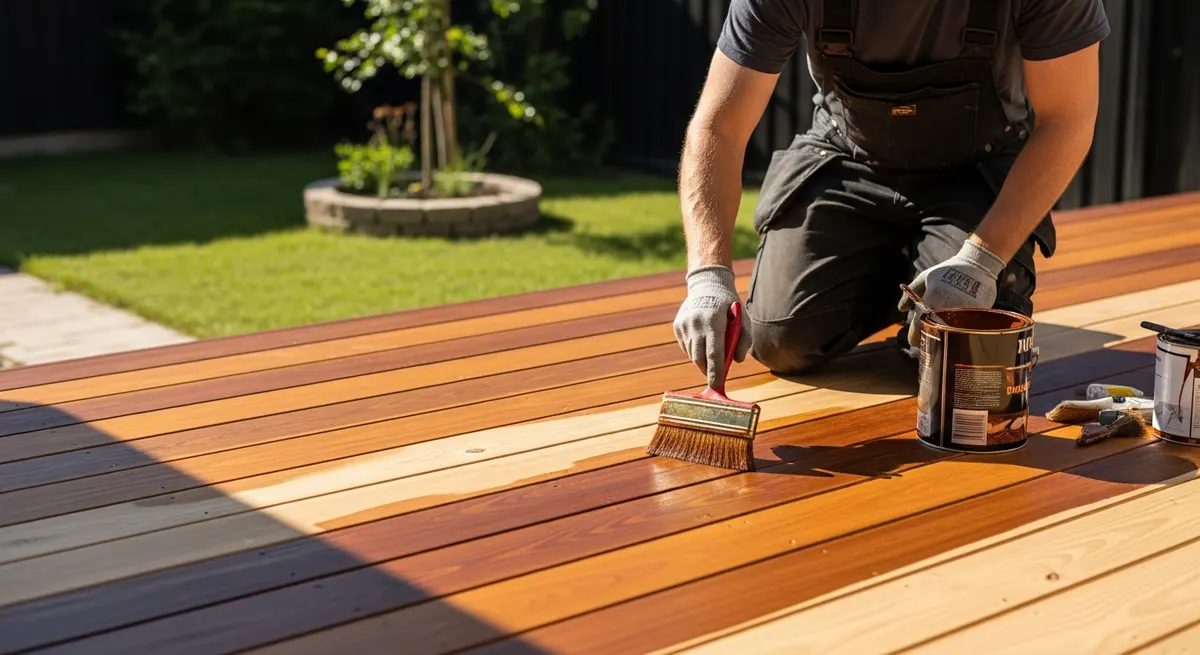
Stain vs. seal, prep, product choice, and timing to protect wood for years.
Prepare your project brief
Build a clear scope to discuss with a contractor. Directory listings are being restored; this does not confirm local availability.