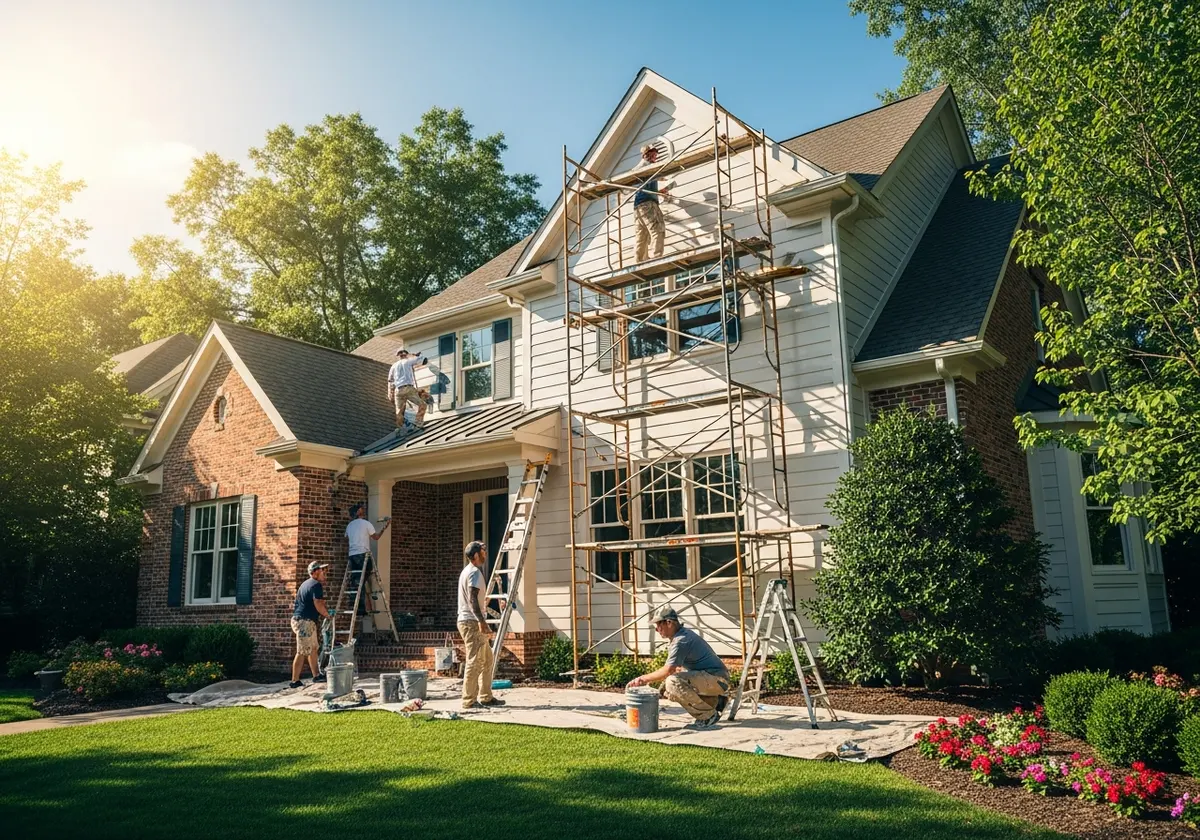
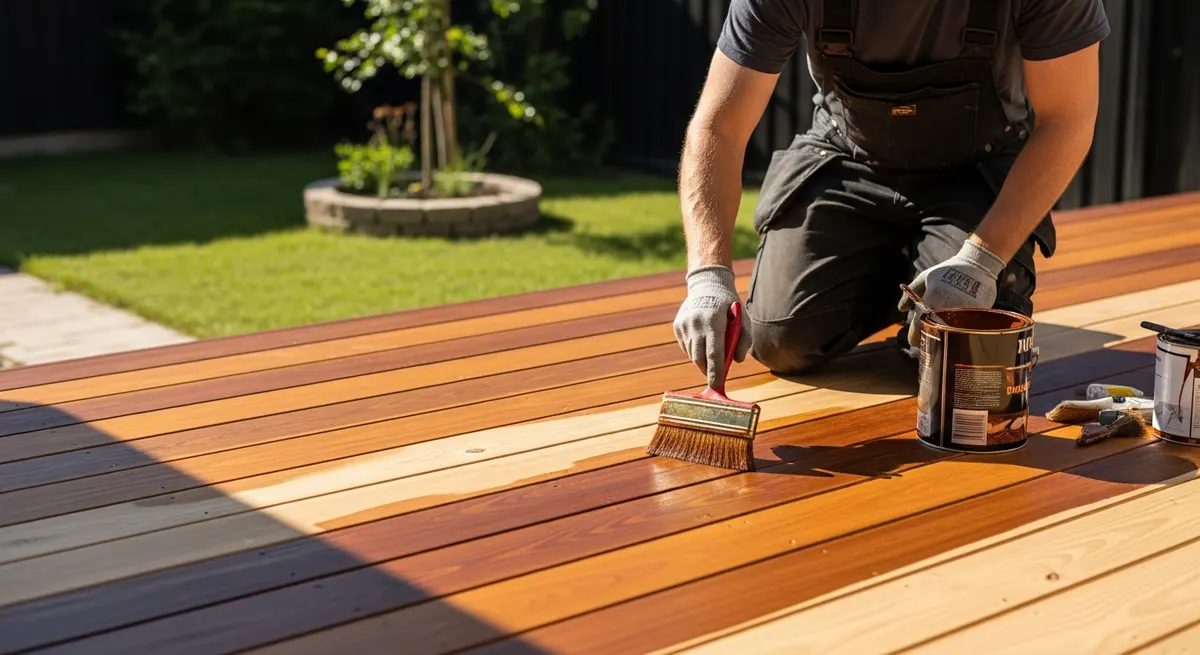
Quick Answer
Professional deck and fence staining costs roughly $2 to $5 per square foot, so a typical 300-square-foot deck runs $600 to $1,500 including cleaning, prep, and two coats. A semi-transparent penetrating stain is the best all-around choice because its pigment blocks UV rays — the main cause of graying — while letting wood grain show. Expect 2 to 4 years between recoats on decks and longer on fences.
Key Takeaways
- Deck and fence staining costs about $2-$5 per square foot; a 300 sq ft deck typically runs $600-$1,500 with full prep.
- Semi-transparent penetrating stains are the best balance of UV protection, natural grain, and reasonable recoat intervals.
- Prep is 80% of the result: clean, brighten, and let wood reach 12-15% moisture before any stain touches it.
- Stain in mild, dry, overcast weather between 50-90F with no rain for 24-48 hours, and always work out of direct sun.
- Expect to recoat clear sealers every 1-2 years, semi-transparent every 2-4 years, and solid stains every 4-7 years.
What Is Deck and Fence Staining?
Deck and fence staining is the process of cleaning, preparing, and applying a pigmented wood finish to exterior wooden structures so they resist moisture, ultraviolet light, mildew, and everyday wear. Unlike a quick cosmetic refresh, a proper staining job is a protective system: the cleaning and brightening steps restore the wood, and the stain itself penetrates the fibers to slow the natural breakdown that turns unprotected lumber gray, brittle, and splintered.
Wood is an organic material in a constant battle with the elements. The sun's UV rays break down lignin, the compound that binds wood fibers together, while rain, snow, and humidity drive repeated swelling and shrinking that opens cracks and checks. Left untreated, even premium cedar or pressure-treated pine will weather, cup, and decay. Staining is the single most cost-effective way to extend the life of a deck or fence, often doubling or tripling the years between costly board replacement.
This guide explains everything a homeowner needs to make confident decisions: how staining differs from sealing and painting, what it costs, how to choose the right stain opacity and product for your wood species, the exact sequence a quality contractor follows, and how to vet and hire a professional who delivers a finish that actually lasts. If you are weighing the broader project of protecting your home's exterior, our guide to exterior painting covers the siding side of the equation.
What a staining project typically includes
- Inspection and minor repair — resetting fasteners, replacing failed boards, and sanding splinters and rough spots.
- Cleaning — removing dirt, mildew, algae, and gray oxidation with a dedicated wood cleaner.
- Stripping — removing old film-forming finishes when they are peeling or incompatible with the new stain.
- Brightening — neutralizing cleaners and reopening the wood pores so stain can penetrate.
- Stain application — one or two coats of the chosen stain, worked into the grain and finished cleanly.
Stain vs. Seal vs. Paint: Which Is Right?
The first decision is what kind of finish to apply, and the three main options behave very differently. The short answer: a clear sealer repels water but offers almost no UV protection, a stain adds pigment that blocks UV while showing wood grain, and paint forms an opaque film that hides the wood entirely. For most decks and fences, a penetrating stain is the right middle ground.
Clear sealers and water repellents
A clear sealer soaks into the wood and beads water off the surface, which protects against moisture intrusion, swelling, and the cracking that follows. What a clear sealer does not do is block ultraviolet light. Because pigment is what stops UV damage, clear-sealed wood still grays within a year or two. Clear sealers make sense when you genuinely want the natural, untreated look and are committed to recoating frequently, or as a maintenance topcoat over a tinted base.
Stains
Stains combine water repellency with pigment, giving you both moisture and UV protection in one product. The amount of pigment determines the opacity, ranging from barely tinted toners to fully opaque solid stains. Penetrating stains soak into the wood rather than forming a surface film, which is a major advantage outdoors: they wear away gradually and evenly rather than peeling, which makes future maintenance far simpler.
Paint
Paint offers the most color choice and the longest-lasting UV protection because it lays down a thick, opaque film. The downside outdoors is significant: that film traps moisture, and on horizontal surfaces like deck boards it cracks and peels as water gets underneath, leading to constant scraping and repainting. Paint can be a reasonable choice for fences and railings, but it is rarely recommended for a deck walking surface. The same film-forming behavior that makes paint durable on house siding works against it on a deck floor.
| Finish | UV Protection | Shows Grain | Failure Mode | Best For |
|---|---|---|---|---|
| Clear sealer | Very low | Fully | Fades, grays | Natural look, frequent recoats |
| Toner / semi-transparent stain | Moderate to high | Yes | Wears, fades | Decks, most fences |
| Semi-solid / solid stain | High | Texture only | Can flake on traffic areas | Weathered wood, fences, railings |
| Paint | Very high | No | Cracks, peels | Fences, railings (not deck floors) |
The pigment rule
Why Deck and Fence Staining Matters
Staining is not just about looks. It is preventive maintenance that protects one of the larger investments in your yard. A new deck can cost tens of thousands of dollars to build, and a perimeter fence runs into the thousands. A staining cycle that costs a few hundred dollars every couple of years is inexpensive insurance against the far greater cost of replacing rotted, cracked, or cupped boards.
Protection from moisture and rot
Water is wood's primary enemy. When untreated wood absorbs rain and then dries, it swells and shrinks repeatedly, opening checks and cracks that hold even more water. Standing moisture invites fungal decay and rot, which weakens structural members and creates safety hazards on stairs and railings. A good stain dramatically reduces water uptake, keeping boards dimensionally stable and dry.
Protection from UV damage
Sunlight degrades wood from the surface down. UV rays destroy lignin, allowing the gray, fuzzy surface fibers you see on weathered decks to form and wash away. Pigmented stain absorbs and reflects UV before it can reach the wood, which is precisely why even a lightly tinted stain vastly outperforms a clear product.
Mildew, algae, and appearance
Shaded, damp areas grow mildew and algae that stain the wood and make surfaces slippery. Quality stains include mildewcides and, combined with periodic cleaning, keep decks looking fresh and safe underfoot. A well-stained deck and fence also lift the whole property's appearance and resale appeal, much like a fresh interior paint job does inside the home.
Splinter prevention and everyday safety
A protective stain keeps the surface fibers bound together, which directly reduces the splinters and raised grain that make a bare deck unpleasant and unsafe underfoot — a real concern for households with children, bare feet, or pets. Stains that contain mildewcides also curb the slick, slippery film that grows on damp, shaded boards and contributes to slip-and-fall accidents on stairs. By keeping moisture out, stain limits the freeze-thaw cycling that pops fasteners and lifts board ends into trip hazards. In short, the same finish that protects your investment also keeps the structure comfortable and safe to use, season after season, with far less of the annual sanding and splinter patrol that untreated wood demands.
Gray is a warning sign
How Much Does Deck and Fence Staining Cost?
Professional deck staining typically costs $2 to $5 per square foot including cleaning, prep, and two coats, putting an average 300-square-foot deck at roughly $600 to $1,500. Fence staining is usually quoted $1 to $3.50 per linear foot or $2 to $4 per square foot of surface area. The wide ranges reflect how much condition, access, and product choice influence the labor involved.
| Project | Typical Cost Range | Notes |
|---|---|---|
| Small deck (150 sq ft) | $350 – $900 | Clean, prep, two coats |
| Average deck (300 sq ft) | $600 – $1,500 | Includes railings |
| Large deck (500+ sq ft) | $1,200 – $3,000 | Multi-level adds cost |
| Deck stripping (add-on) | $1 – $2.50 / sq ft | When removing old film finish |
| Wood fence (per linear foot) | $1 – $3.50 | Single side, ground-level |
| 100 ft of 6 ft fence (both sides) | $700 – $2,400 | Surface area pricing |
| Railings & spindles (detail) | +15% – 30% | Labor-intensive cut-in work |
What drives the price up or down
- Surface condition — heavy mildew, old peeling finish, and stripping all add hours of prep.
- Stain opacity and quality — premium penetrating oils cost more per gallon than budget products but last longer.
- Detail and complexity — railings, balusters, lattice, pergolas, and stairs are slow, brush-intensive work.
- Access and height — elevated or multi-level decks and tall fences require more setup and safety equipment.
- Repairs — replacing boards or resetting fasteners is usually billed separately from staining.
- Regional labor rates — costs in major metros can run considerably higher than in smaller markets.
Prepare a clear scope using our quote comparison checklist. Confirm service area, credentials and availability directly with any contractor. Directory listings are being restored.
Estimating Stain Quantity and Coverage
Buying the right amount of stain is one of the most common stumbling blocks, because wood coverage varies far more than paint coverage. A gallon of interior wall paint reliably covers about 350 to 400 square feet, but a gallon of deck stain can stretch anywhere from roughly 150 to 500 square feet depending on the product, the opacity, and how thirsty the wood is. Smooth, previously sealed boards drink very little; rough-sawn fence pickets and dry, weathered decking can soak up two to three times as much.
Measuring the real surface area
Start by calculating the actual area to be coated, not just the deck's footprint. For a deck floor, multiply length by width. Then add the surfaces most people forget: railings, balusters, stair treads and risers, fascia boards, and the visible edges. A practical shortcut is to add roughly 20 to 30 percent to a deck floor's square footage to account for railings and detail. For a fence, measure the run in linear feet and multiply by the height, then double it if you are staining both sides. Rough-sawn or board-on-board fences expose far more surface area than their flat dimensions suggest, so round generously.
Working out gallons
- Find the coverage rate. Read the manufacturer's stated coverage on the can, which is usually given as a range per gallon for the specific opacity.
- Use the low end for thirsty wood. For new pressure-treated lumber, rough-sawn pickets, or dry gray decks, assume the lower coverage figure.
- Divide and round up. Divide your total square footage by the coverage rate, then buy a little extra so the whole job comes from one batch.
- Account for a second coat. A wet-on-wet second coat adds far less than a full gallon's worth because the wood is already saturated, but budget roughly 20 to 40 percent more for it.
| Project | Approx. Surface Area | Estimated Stain (1 coat) |
|---|---|---|
| Small deck (150 sq ft) | 180 – 200 sq ft with rails | 1 gallon |
| Average deck (300 sq ft) | 360 – 400 sq ft with rails | 1 – 2 gallons |
| Large deck (500 sq ft) | 600 – 650 sq ft with rails | 2 – 3 gallons |
| 100 ft fence, 6 ft, one side | 600 sq ft | 2 – 4 gallons |
| 100 ft fence, 6 ft, both sides | 1,200 sq ft | 4 – 8 gallons |
Box your stain
Stain Types and Opacity Levels
Stains are categorized two ways: by opacity (how much pigment they contain and therefore how much wood grain shows through) and by base chemistry (oil-based versus water-based). Both choices affect appearance, durability, and how the finish wears over time.
Opacity levels, from clear to solid
- Clear / clear toner — minimal or no pigment, maximum grain, least UV protection, shortest lifespan.
- Semi-transparent — light pigment that shows grain while adding meaningful UV defense; the most popular deck choice.
- Semi-solid — heavier pigment that obscures most grain but keeps wood texture; great for older or uneven wood.
- Solid (opaque) — paint-like color that hides grain entirely while showing texture; longest UV protection but can flake on high-traffic deck floors.
| Opacity | Grain Visible | UV Protection | Typical Recoat |
|---|---|---|---|
| Clear sealer | Full | Minimal | 1 – 2 years |
| Semi-transparent | High | Good | 2 – 4 years |
| Semi-solid | Partial | Very good | 3 – 5 years |
| Solid | None (texture only) | Excellent | 4 – 7 years |
Oil-based vs. water-based stains
Oil-based (alkyd) stains penetrate deeply, are easy to apply and reapply, and tend to enrich wood grain beautifully. They are slower to dry, higher in volatile organic compounds, and in some regions restricted by VOC regulations. Water-based (acrylic) stains dry faster, clean up with water, resist mildew and fading well, and are increasingly the standard as formulations improve. Once you commit to one chemistry it is best to stay with it, because switching often requires stripping back to bare wood.
Always test on a hidden board
Choosing Stain by Wood Type
The right stain and prep depend heavily on what your deck or fence is built from. Different species absorb stain differently, contain different oils and tannins, and weather at different rates.
Pressure-treated pine
Pressure-treated lumber is the most common and affordable decking and fencing material in North America. It is chemically treated to resist rot and insects, but it arrives wet from treatment and must dry before it will accept stain. New pressure-treated wood can also have a mill-glazed surface that repels stain; light sanding or a cleaning step opens it up. Once dry, it takes semi-transparent and semi-solid stains well. The wood preservatives used in treated lumber are regulated, and the EPA maintains an overview of wood preservative chemicals worth reviewing if you handle freshly treated boards.
Cedar
Western red cedar is prized for its natural rot resistance, dimensional stability, and rich color. It is more porous than treated pine and accepts stain readily, but it also weathers to gray quickly if left unprotected. A semi-transparent stain preserves cedar's warm tones beautifully. Because cedar is soft, use gentle cleaning and low-pressure washing to avoid damaging the fibers.
Redwood
Redwood, like cedar, is naturally durable and rich in tannins that give it its color. Those tannins can bleed and need careful cleaning and brightening before staining. Semi-transparent oil stains tend to showcase redwood's grain best. As a premium material, redwood is worth protecting promptly to keep its signature hue.
Tropical hardwoods (ipe, cumaru, tigerwood)
Dense exotic hardwoods are extremely durable but notoriously difficult to stain because they are so tight-grained and oily that conventional stains struggle to penetrate. They require specialized penetrating oils formulated for hardwoods and more frequent maintenance coats. Many owners let these woods gray naturally, but pigmented hardwood oils keep their dramatic color alive.
| Wood Type | Absorbency | Recommended Stain | Key Prep Note |
|---|---|---|---|
| Pressure-treated pine | Low when new | Semi-transparent / semi-solid | Must dry; remove mill glaze |
| Cedar | High | Semi-transparent | Gentle, low-pressure cleaning |
| Redwood | Moderate | Semi-transparent oil | Manage tannin bleed |
| Tropical hardwood | Very low | Specialty hardwood oil | Expect frequent recoats |
Composite and Other Materials: Can You Stain Them?
Not every deck and fence is solid wood, and the material dictates whether staining is even possible. As composite, PVC, metal, and vinyl products have grown to a large share of new outdoor construction, homeowners increasingly ask whether the staining advice for wood applies to them. In most cases it does not, and applying a wood stain to the wrong substrate wastes money and creates a finish that peels almost immediately.
Composite decking and capped boards
Composite boards are made from a blend of wood fibers and recycled plastic, and most modern products are capped with a hard polymer shell for stain and fade resistance. That shell is exactly what penetrating wood stain cannot soak into, so a traditional stain will not bond. Manufacturers design composite to be low-maintenance and generally void warranties if it is coated. Faded, older, uncapped first-generation composite is the one exception: specialty acrylic resurfacing coatings formulated for composite exist, but they form a film that requires periodic recoating, so weigh that ongoing commitment carefully.
PVC, vinyl, and aluminum
Cellular PVC and vinyl decking and fencing are fully synthetic and are not designed to be stained at all; they are meant to keep their factory color for decades. Aluminum and steel railings are likewise finished at the factory and call for a paint system, not a stain, if you ever want to change the color. For any of these, cleaning is the only routine maintenance — there is no staining cycle.
How to tell what you have
- Look at the cut ends and underside. Wood shows a consistent grain throughout, while composite reveals a speckled, uniform core.
- Check the weight and sound. Composite is noticeably heavier and sounds duller and more solid than hollow PVC.
- Probe for grain absorption. A drop of water soaks into bare wood but beads and sits on composite, PVC, and metal.
- Find the brand stamp. Most composite and PVC boards carry a manufacturer mark you can look up to confirm material and coating rules.
| Material | Stainable? | Recommended Care |
|---|---|---|
| Solid wood | Yes | Clean, brighten, penetrating stain |
| Uncapped composite | Specialty coating only | Composite-rated acrylic resurfacer |
| Capped composite | No | Periodic washing only |
| PVC / vinyl | No | Washing; no coating needed |
| Aluminum / steel | No (paint, not stain) | Factory finish; touch-up paint |
Check the warranty before coating
The Professional Staining Process
A quality contractor follows a disciplined, repeatable sequence. Knowing these steps helps you evaluate whether a crew is doing the work properly or skipping the prep that determines how long the finish lasts. These steps mirror the how-to schema published with this guide.
- Inspect and repair. The crew walks the structure to find loose boards, popped fasteners, splinters, and rot, then resets screws, replaces failed boards, and sands rough areas.
- Clean the wood. A dedicated wood cleaner or percarbonate deck wash removes dirt, mildew, algae, and graying, agitated with a brush and rinsed with low-pressure washing.
- Strip old finish. When a film-forming stain or paint is peeling, or when switching to a penetrating product, a stripper is applied, allowed to dwell, scrubbed, and rinsed to bare wood.
- Brighten and neutralize. A wood brightener, usually an oxalic acid solution, neutralizes the cleaners, restores tone, and reopens the wood pores for even penetration.
- Let the wood dry. The wood is allowed to dry to roughly 12 to 15 percent moisture, confirmed with a moisture meter or a water-bead test before any stain is applied.
- Mask and protect. Siding, plants, hardware, and adjacent surfaces are covered, and clean lines are taped off.
- Apply the stain. Stain is applied by brush, pad, or sprayer and immediately back-brushed into the grain, maintaining a wet edge and coating full board lengths to avoid lap marks.
- Apply a second coat. Where the product allows, a second coat goes on wet-on-wet while the first is still tacky so the wood absorbs maximum stain without a sticky film.
- Cure and inspect. Traffic, furniture, and water are kept off for the cure time, then the work is inspected under good light and any thin spots are touched up.
Back-brushing is the pro secret
Surface Preparation: The Foundation of a Lasting Finish
Professionals will tell you that staining is 20 percent application and 80 percent preparation. Stain bonds to clean, open, dry wood. Skip or rush the prep and even the best product will fail early. There are four core prep stages, and each matters.
Cleaning
Every staining job starts with cleaning. A dedicated deck cleaner, often a sodium percarbonate product, lifts ground-in dirt, mildew, algae, and the loose gray surface fibers caused by UV exposure. The cleaner is applied, allowed to dwell, agitated with a stiff brush, and rinsed. The goal is sound, clean wood, not a power-blasted surface.
Stripping
When an old solid stain or paint is peeling, or you are moving from a film finish to a penetrating one, the existing coating must come off. Strippers soften the old finish so it can be scrubbed and rinsed away. This is the most labor-intensive prep step and a major driver of cost, but penetrating stain simply cannot work over an intact film.
Brightening
After cleaning or stripping, the wood is usually left slightly alkaline and dull. A wood brightener, typically an oxalic acid solution, neutralizes the chemistry, restores the wood's natural color, and reopens the surface pores so stain penetrates evenly. Brightening is the step most often skipped by amateurs and the one that most improves the final appearance.
Sanding and spot repair
Splintered boards, raised grain, and rough railings are sanded smooth for safety and a cleaner finish. On new pressure-treated wood, light sanding also removes mill glaze. Any popped nails are reset or replaced with screws, and damaged boards are swapped out before staining so the finished surface is uniform.
Pressure washing can ruin wood
Moisture, Weather, and Timing
Stain must penetrate into the wood, and it can only do that when the wood is dry enough to accept it and the weather cooperates. Getting the timing right is just as important as the product you choose.
Wood moisture content
Wood should be at roughly 12 to 15 percent moisture content before staining. Saturated wood has no room to absorb stain, so the finish sits on top and fails. After cleaning or rain, most decks need 24 to 72 hours of dry weather to reach the right level. A pro confirms with a moisture meter, but a simple water-bead test works too: sprinkle water on the surface, and if it soaks in within about 10 minutes, the wood is ready; if it beads, wait longer.
Temperature and humidity
Aim for temperatures between 50 and 90 degrees Fahrenheit with moderate humidity. Too cold and the stain will not cure properly; too hot and it flashes off before it can penetrate. A mild, overcast day is ideal.
Rain and the application window
Check the forecast carefully. You want no rain for at least 24 to 48 hours after staining so the finish can set. Staining a deck the day before a storm wastes the entire effort. Spring and fall, with their mild temperatures and lower sun intensity, are the most reliable seasons in most climates.
Never stain in direct sun
New Wood vs. Weathered Wood
The condition of your wood changes the prep strategy significantly. New construction and old, gray decks require very different approaches.
Staining new wood
The most common mistake with new decks is staining too soon. Freshly installed pressure-treated lumber is loaded with moisture from the treatment process and may have a mill glaze that repels stain. It needs to dry — often several weeks to a few months depending on climate — until it passes the water-bead test. Kiln-dried cedar and redwood can usually be stained much sooner. Even on new wood, a quick cleaning and light sanding to remove mill glaze improves absorption dramatically.
Staining weathered and gray wood
Gray, weathered wood is usually salvageable. The gray is surface oxidation, not rot, and a thorough clean-and-brighten cycle restores much of the original color and reopens the pores. The real question is structural soundness: probe suspicious boards with a screwdriver, and if the wood is soft, spongy, or crumbles, it has rot and must be replaced before staining. Once cleaned, brightened, and dried, weathered wood often takes stain beautifully and looks nearly new.
Re-staining previously stained wood
If the existing finish is a penetrating stain that has simply faded but is still well bonded, you may be able to clean, brighten, and recoat without stripping. If the previous finish is a film-former that is peeling, or you are switching product types, full stripping is required. Matching the existing chemistry and opacity makes maintenance recoats far simpler.
Restore vs. Replace an Old Deck
Before investing in cleaning, brightening, and staining, it is worth deciding whether the structure is sound enough to be worth saving. Staining a deck that is structurally failing simply puts a handsome finish on a hazard. The good news is that most decks fail cosmetically long before they fail structurally, so a tired, gray deck is far more often a restoration candidate than a replacement. Surface graying, faded color, and a few cupped or splintered boards are all repairable. Rot in the framing, footings, or ledger is a different matter entirely.
Inspect the structure first
Focus your inspection on the parts that hold the deck up and keep it attached to the house, not just the boards you walk on. The ledger board, where the deck connects to the home, is the single most common point of catastrophic failure and deserves the closest look. Probe for softness, check fasteners for rust, and look for any separation or water staining behind it.
- Ledger and flashing — confirm it is bolted (not just nailed) and that flashing keeps water out of the wall.
- Posts and footings — probe where posts meet soil or concrete for soft, punky, or crumbling wood.
- Joists and beams — sight along them for sag and check the tops for trapped-moisture rot.
- Railings — push firmly; any wobble is a fall hazard that must be fixed before use, regardless of finish.
- Fasteners and connectors — heavy rust or missing joist hangers signal deferred maintenance.
The repair-versus-replace math
Prepare a clear scope using our quote comparison checklist. Confirm service area, credentials and availability directly with any contractor. Directory listings are being restored.
Stain hides, it does not fix
How Long Does Deck and Fence Stain Last?
Stain longevity depends on opacity, exposure, and surface orientation. As a rule, the more pigment a stain contains, the longer it protects, and vertical surfaces like fences and railings always outlast horizontal walking surfaces that endure foot traffic, standing water, and direct overhead sun.
| Product | Fence / Railing | Deck Floor | Recoat Trigger |
|---|---|---|---|
| Clear sealer | 1 – 2 years | 1 year | Water stops beading |
| Semi-transparent | 3 – 4 years | 2 – 3 years | Color fades, traffic wear |
| Semi-solid | 4 – 5 years | 3 – 4 years | Thinning in walkways |
| Solid stain | 5 – 7 years | 3 – 5 years | Flaking or worn patches |
The single best way to extend any stain's life is regular cleaning. A gentle wash once or twice a year removes the mildew, dirt, and grit that abrade and break down the finish. A light maintenance coat applied before the stain fully wears through is far easier and cheaper than waiting for a complete strip-and-redo. Decks in full sun or near sprinklers and pools will always need more frequent attention than shaded, protected structures.
What shortens stain life the most
Two structures coated with the same product on the same day can wear at very different rates, and the variables are largely about exposure and use rather than the can you bought. South- and west-facing surfaces take the harshest afternoon sun and fade first. Standing water from poor drainage, ice and snow left sitting through winter, and constant sprinkler overspray all break a finish down faster than rain alone. Heavy foot traffic, dragged furniture, pet claws, and grit ground into the surface abrade the stain mechanically. Even the color matters: darker pigments absorb more heat and can degrade slightly faster in full sun, while the extra pigment in a darker semi-transparent also buys more UV protection. Recognizing which of these apply to your deck helps you set a realistic recoat interval instead of trusting the can's best-case rating.
DIY vs. Hiring a Professional
Deck and fence staining is one of the more approachable outdoor DIY projects, but the prep work is harder and more important than most homeowners expect. Deciding whether to do it yourself comes down to the size of the job, the condition of the wood, and how much you value the result lasting.
When DIY makes sense
- The deck or fence is small, at ground level, and in good condition.
- You are doing a maintenance recoat of the same compatible stain, not a strip-and-restain.
- You have a full dry-weather window and the patience to clean, brighten, dry, and apply properly.
- You own or can rent the right tools and are comfortable with the chemicals involved.
When to hire a pro
- The job requires stripping a failed film finish, which is labor-intensive and easy to do poorly.
- The structure is large, multi-level, elevated, or has extensive railings, balusters, and lattice.
- The wood is in rough shape and needs repairs, sanding, and careful color restoration.
- You want a warranty and a finish that reliably lasts its full rated lifespan.
Prepare a clear scope using our quote comparison checklist. Confirm service area, credentials and availability directly with any contractor. Directory listings are being restored.
Budgeting the true cost of DIY
DIY staining is rarely free even when you supply your own labor. Before assuming the project will save the full price of hiring out, total up the consumables and equipment a proper job requires, then weigh that against the value of a weekend or two of work and the risk of a do-over.
- Cleaner and brightener — roughly $20 to $50 in chemicals for an average deck.
- Stripper — add $30 to $80 if an old film finish must come off.
- Stain — typically $35 to $70 per gallon, with most decks needing one to three gallons.
- Application tools — pads, brushes, rollers, and a stain tray run $30 to $80.
- Pressure washer rental — about $50 to $100 per day if you do not own one.
On most mid-size decks the materials alone land in the $150 to $300 range, so the genuine saving over a professional is the labor, not the whole quote. If your wood needs stripping or extensive repair, the gap narrows further and the odds of a costly mistake rise.
How to Hire a Deck and Fence Staining Pro
The quality of a staining job is invisible at first — fresh stain looks good even when the prep was rushed. The difference shows up a year later when a poorly prepped deck starts peeling. That makes hiring the right contractor essential. Use these criteria to separate professionals from chancers.
Verify licensing and insurance
Confirm the contractor carries liability insurance and, where required, a valid license. Staining involves chemicals, ladders, and sometimes elevated work; you do not want to be liable for an injury or property damage. Ask for proof, not just a verbal assurance.
Ask about the full prep process
A reputable pro will describe cleaning, stripping where needed, brightening, drying time, and back-brushing without being prompted. If a contractor proposes to wash and stain the same day, or never mentions moisture content, that is a red flag. The prep conversation tells you almost everything about the quality you will receive.
Get a detailed written estimate
Insist on a written scope listing the exact products, number of coats, prep steps, repairs included or excluded, square footage, and total price. A vague one-line quote invites disputes later. Compare bids on scope, not just price, and treat an unusually low bid with suspicion.
Check reviews and recent work
Prepare a clear scope using our quote comparison checklist. Confirm service area, credentials and availability directly with any contractor. Directory listings are being restored.
Ask about the warranty
Common Deck and Fence Staining Mistakes
Most stain failures trace back to a handful of avoidable errors. Whether you DIY or hire out, knowing these mistakes helps you spot trouble before it costs you.
Staining wet or brand-new wood
Applying stain before the wood is dry enough to absorb it is the number one cause of early failure. The stain sits on the surface, never bonds, and peels. Always confirm moisture with a meter or water-bead test.
Staining in direct sun or before rain
Hot surfaces flash off the stain before it can penetrate, and rain within a day or two washes uncured stain away. Both leave a blotchy, short-lived finish. Time the job for mild, dry weather and work in the shade.
Skipping the brightener
Cleaning without neutralizing and brightening leaves the wood dull and its pores partially closed, hurting both color and penetration. The brightening step is cheap and makes a large visible difference.
Over-applying stain
Wood can only absorb so much. Applying too many coats, or coating over already-cured stain, leaves a sticky surface film that never dries and eventually peels. Apply additional coats only wet-on-wet, and wipe any excess that has not soaked in.
Damaging wood with the pressure washer
As covered above, too much pressure furs and gouges the wood, ruining the surface for staining. Let chemical cleaners do the work and keep the pressure low. If your project also involves washing siding before exterior painting, the same gentle-pressure principles apply.
Maintenance and Aftercare
A stained deck and fence are not maintenance-free, but a little routine care dramatically extends the years between full restaining. Treat maintenance as part of the system, not an afterthought.
Regular cleaning
Sweep debris promptly so it does not trap moisture, and wash the deck and fence gently once or twice a year to remove dirt, pollen, mildew, and grit. Clean surfaces wear far more slowly than dirty ones. Address mildew in shaded areas early before it spreads and discolors the wood.
Watch for early wear
Inspect high-traffic zones — stair treads, doorways, and main walkways — each year. These wear first. Spot-recoating worn areas before they reach bare wood keeps the whole deck protected and delays a full restain.
Recoat on schedule
The simplest longevity test is the water-bead test: if water no longer beads on the surface, the repellency is gone and it is time to recoat. Recoating a faded-but-bonded penetrating stain is quick — clean, brighten, dry, and apply a fresh coat. Waiting until the finish has fully failed forces a far more expensive strip-and-restain.
Manage moisture sources
Aim sprinklers away from wood, keep planters and mats from trapping moisture against boards, and ensure good drainage. Because washwater and runoff from cleaning and stripping can carry chemicals, follow local rules and the EPA's guidance on stormwater and washwater runoff when rinsing into yards or storm drains. For homeowners dealing with damp, shaded structures prone to mold, the CDC's guidance on mold is a useful reference for safe cleanup.
A simple seasonal routine
Spreading a few small tasks across the year keeps a deck and fence in shape and stretches the interval between full restaining. None of these steps is time-consuming on its own, and together they prevent the gradual neglect that forces an expensive strip-and-redo.
- Spring — give the structure a gentle wash, clear debris from gaps between boards, and inspect for winter damage, popped fasteners, and any new soft spots.
- Summer — run the water-bead test in high-traffic areas, spot-recoat thin patches, and keep furniture pads and planters from trapping moisture against the wood.
- Fall — sweep leaves promptly so tannins and damp debris do not stain or feed mildew, and tackle any full maintenance recoat while temperatures are still in the staining range.
- Winter — shovel snow with a plastic-edged tool along the grain, avoid metal blades and rock salt, and keep ice from standing on the surface.
Keep a record
Frequently Asked Questions
Related Painting Guides
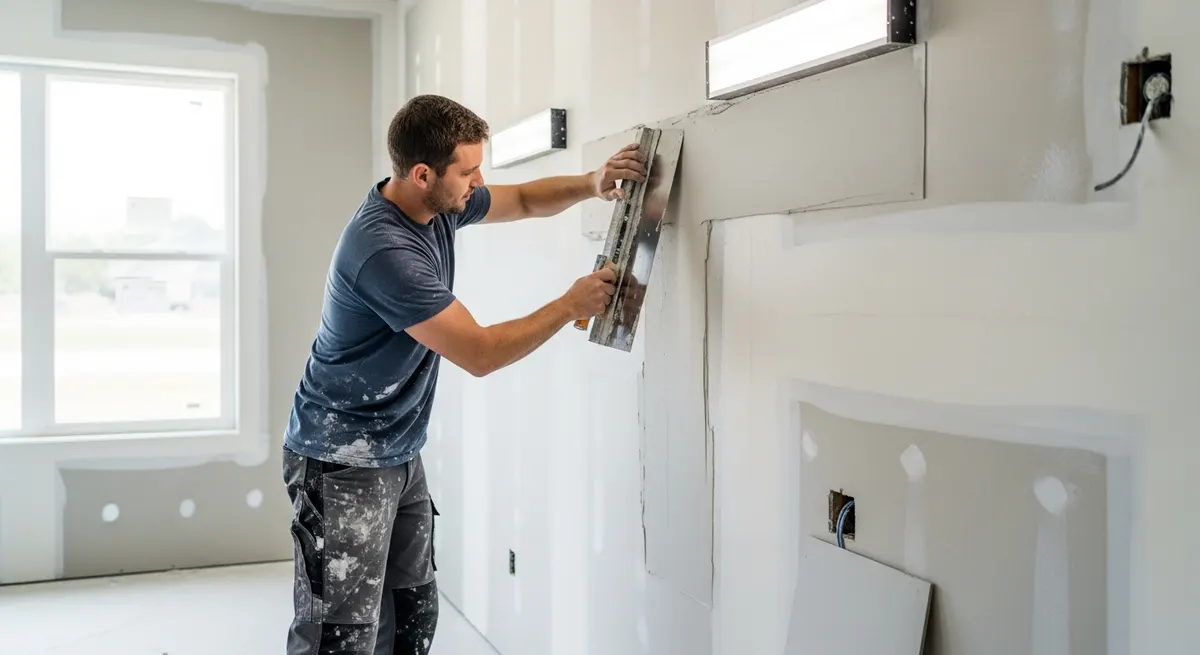
Wallpaper & Drywall
Wallpaper removal and drywall repair done right so your new paint lays flawless.
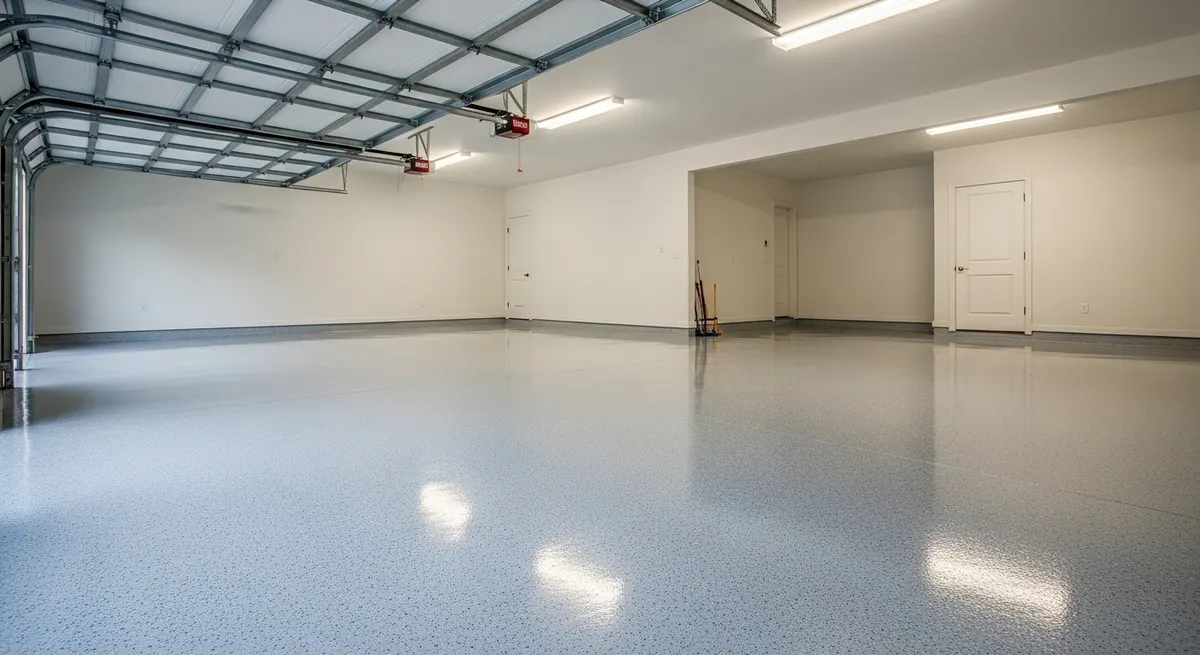
Epoxy Flooring
Durable, beautiful epoxy floor coatings for garages and shops — systems, cost, and longevity.
Pressure Washing
Restore siding, decks, and driveways — when to wash, soft-wash vs. pressure, and what it costs.
Interior Painting
Walls, ceilings, trim, and accent work — costs, finishes, and how pros get a flawless result.
Prepare your project brief
Build a clear scope to discuss with a contractor. Directory listings are being restored; this does not confirm local availability.